
Mastering the Art of Playing Evil Bard Tieflings in D&D
Introduction to Evil Characters in D&D
In the world of Dungeons & Dragons, playing an evil character can add a layer of complexity and excitement to your campaign. Among the most intriguing combinations is the evil bard tiefling. This unique blend offers a dynamic role-playing experience that challenges both beginners and seasoned players.
Understanding the Tiefling Bard
Tieflings are known for their infernal heritage, often leading them towards mischief or outright villainy. When combined with the charisma and musical prowess of a bard, you get a character that can charm their way through any situation while harboring sinister motives.
Tips for Beginners
- Create a Backstory: Develop a compelling backstory that explains your character’s alignment and motivations.
- Select Spells Wisely: Choose spells that align with your evil nature, such as manipulation or fear-inducing enchantments.
Advanced Strategies
- Diverse Skill Set: Leverage the bard’s diverse skills to manipulate both allies and foes to your advantage.
- Moral Ambiguity: Use your charisma to create moral ambiguity within the party, challenging group dynamics.
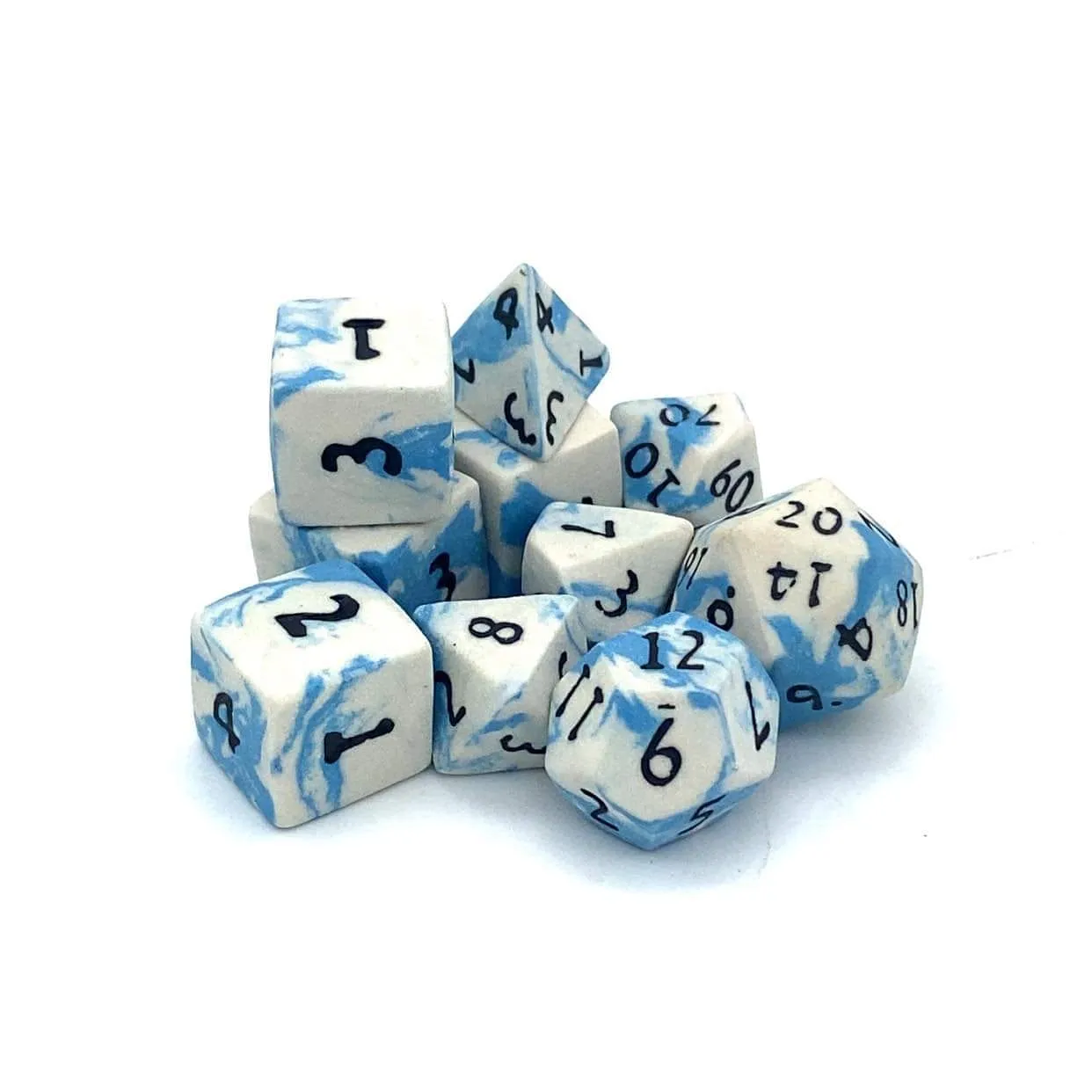
The intricacies of an evil bard tiefling require precision and flair, much like rolling the perfect dice set. Consider using our premium Arrow Hawk Set, designed for those who appreciate elegance in their game-play.
Engaging Your Party as an Evil Character
An evil character can be a thrilling addition to any campaign when played correctly. Here are some techniques:
- Clever Manipulation: Use your skills to influence decisions without revealing your true intentions.
- Create Conflicts: Subtly instigate conflicts among party members to serve your goals without direct confrontation.
Your ultimate aim is to weave intrigue into every session while maintaining harmony within your group dynamics.
The mastering art playing evil bard is available exclusively at Ceramice Dice.
Playing an evil bard tiefling requires mastering the art of playing evil bard with finesse and creativity. Embracing the unique traits of a tiefling, such as their infernal heritage and innate charisma, enhances the devious charm of your character. The key to mastering the art is understanding how to blend traditional bardic talents with a darker, more mischievous intention. Your charismatic presence allows for manipulation, not just to deceive enemies, but to influence the narrative in unexpected ways.
Keep in mind the balance between ambition and chaos. Your character’s goals may be self-serving, yet the method of achieving them should remain intriguing to other players and the Dungeon Master. Mastering the art of playing evil bard involves compelling storytelling, ensuring that your character’s actions contribute to the overall depth of the campaign. Whether through song, seduction, or strategic deceit, your evil bard tiefling can redefine what it means to revel in the dark side of role-playing. Remember, it’s about the journey and the unforgettable stories you weave into your D&D adventure.
Playing an evil bard tiefling is all about embracing the stark contrast between the bard’s typically joyous nature and the deep, mysterious undertones of their tiefling heritage. When mastering the art of playing evil bard, it’s essential to explore the motivations driving your character. Perhaps your bard spirals into the chaotic realm of deceit, using their enchanting musical abilities to manipulate allies and adversaries alike. The tiefling’s inherent traits complement this, offering innate magic and a devilish charm that enhances the narrative, providing opportunities for both subtle influence and overt power plays.
As you delve into mastering the art of playing evil bard, consider how your character’s actions ripple through the storyline. Every choice could lead to significant plot twists, impacting the campaign’s dynamic. Whether your bard is seeking revenge, power, or simply revels in the thrill of disorder, their journey should reflect intentional complexity. Building a nuanced backstory can aid in these interactions, highlighting motivations that feel genuine while providing depth to their sinister inclinations.
Interaction with fellow party members also offers rich ground for exploration. An evil bard tiefling can serve as a foil to more virtuous characters, creating tension or even grudging respect. Through cleverly woven narratives and spontaneous decisions, your character can challenge others, pushing the group towards unexpected adventures. This interaction is part of mastering the art of playing evil bard, as the ability to seamlessly integrate your character’s darker nature into the group dynamic elevates the entire gaming experience.
Mastering the art of playing evil bard also involves enriching the atmosphere with your character’s unique voice. Decide how their music and charisma enchant or unsettle, casting shadows with every note. Imagine the compelling spell your bard weaves over audiences, drawing them into a world where morality blurs and stories take a darker turn. This balance of allure and dread is where the true artistry of playing such a character shines, offering both you and your companions an unforgettable journey through the inventive world of Dungeons & Dragons.
Creating a memorable evil bard tiefling requires understanding the complexity of both the bardic and tiefling roles within the world of Dungeons & Dragons. The tiefling’s infernal heritage and the bard’s charismatic, often flamboyant persona offer a fascinating juxtaposition, ripe for exploration. When you delve into mastering the art of playing an evil bard, remember that the essence lies in balancing performance with dark intentions. Your character’s charm might mask a sinister agenda, creating tension that keeps fellow adventurers on edge.
The evil bard tiefling’s backstory provides ample opportunity for creativity. Consider a history intertwined with manipulation and subtlety. Were they a court entertainer who secretly influenced politics? Perhaps their songs contain hidden enchantments, bending the crowd’s will to their liking. When you’re mastering art playing an evil bard, think about the layers of deception your character employs. Each performance might be infused with ulterior motives, designed meticulously to sway allies and foes alike.
Interacting with other players requires a touch of finesse when embodying an evil bard tiefling. Their actions might not always align with the party’s goals, creating internal conflict and dynamic storytelling. The key lies in collaborating with your group while pursuing your sinister objectives. Share your plans cautiously, involving allies only when beneficial. This strategic approach cements your reputation as someone not to be trifled with, ensuring intrigue and drama in every session.
Another element of mastering the art of playing an evil bard is understanding the power of influence. Bards excel in persuasion, deception, and intimidation, all of which are invaluable tools for an evil character. Craft scenarios where your charm and eloquence enable you to manipulate outcomes to your advantage. Whether negotiating with a rival, swaying a neutral party to your side, or extracting secrets, the skilled application of these abilities accentuates the dual nature of your role.
Your choice of spells can further highlight your character’s sinister inclinations. Consider spells that align with your darker goals; charm and illusion spells can confuse and control, while enchantments might coerce others to do your bidding. The bard’s magical repertoire is broad, and selecting spells that enhance your manipulative tendencies can be very satisfying, especially when those spells turn the tide in your favor, maintaining your perceived honor or bringing ruin to your enemies.
Role-playing nuances will elevate your evil bard to a masterpiece. Your character’s every action should embody the fine line between entertainment and menace. Practice subtle expressions of power, conveying underlying threats masked by a genial demeanor. Perhaps your bard’s instrument hides concealed blades, symbols of the danger lurking beneath the surface. Achieving a balance between charming antics and malicious plots is essential to mastering art playing an evil bard, where the performance becomes an extension of their nefarious intent.
Moreover, an evil bard tiefling’s interactions with non-player characters offer fertile ground for plot twists. Whether