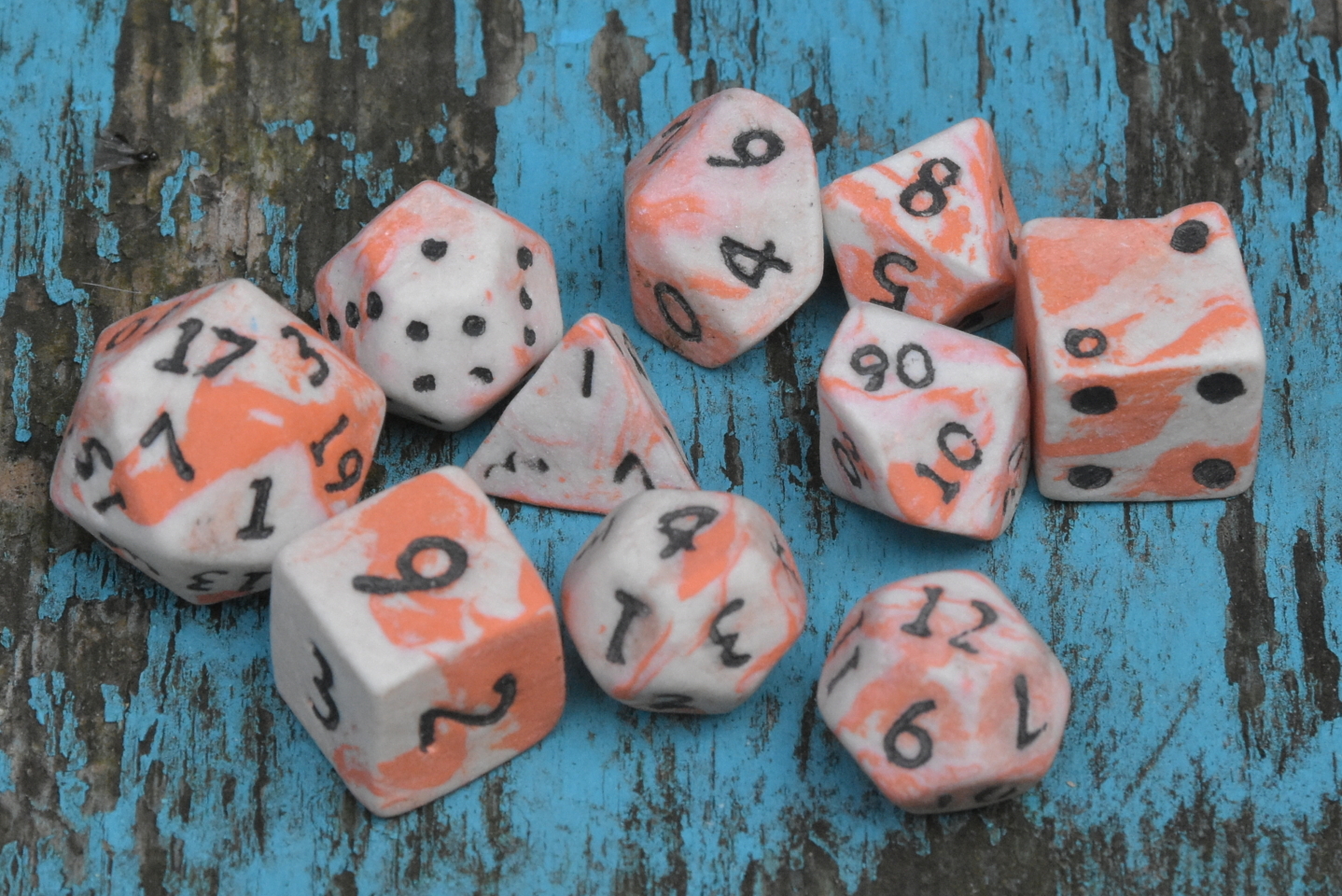
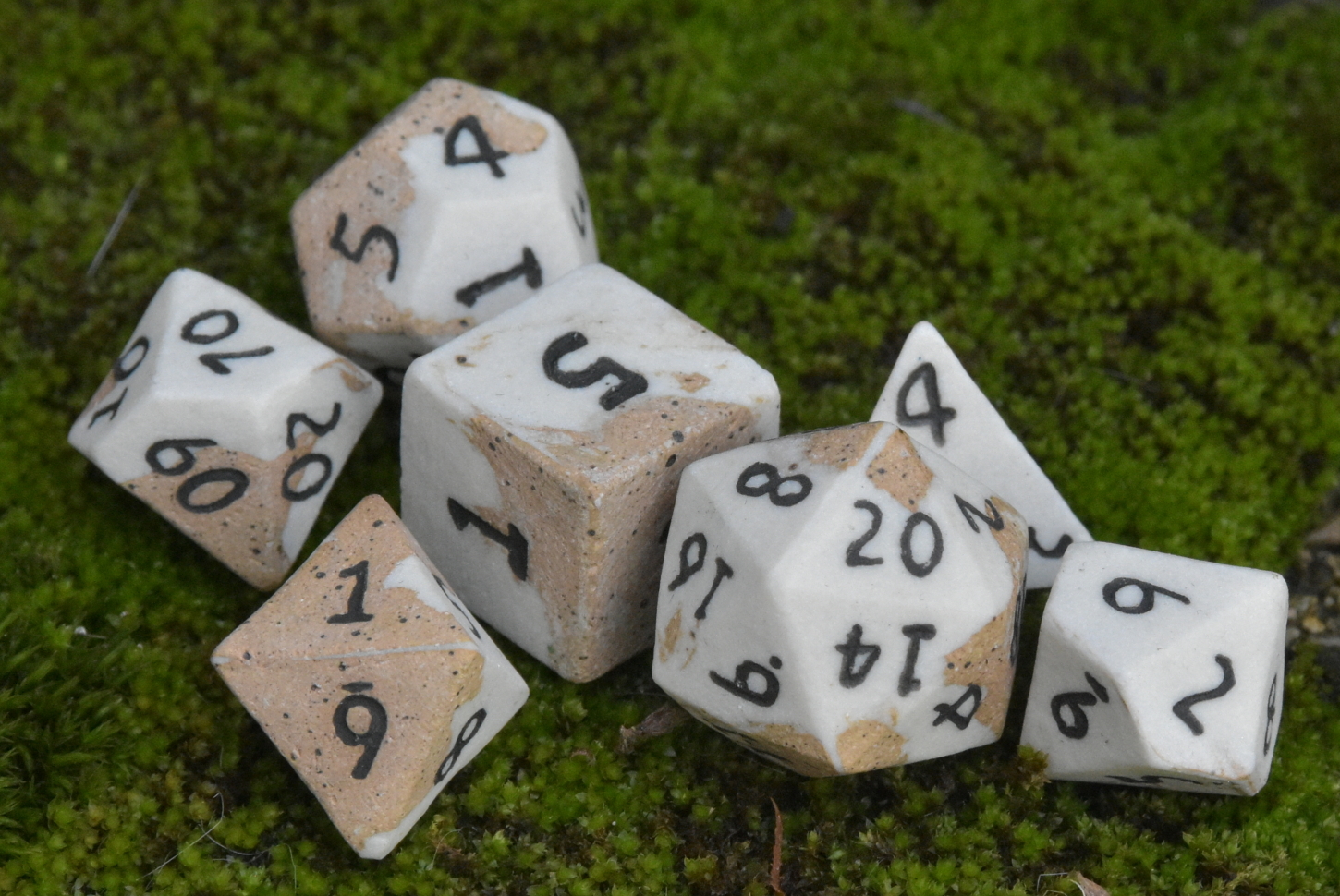
Ceramic Dice 101: Everything You Need to Know
Ceramic dice occupy a unique niche in tabletop gaming, offering a distinct combination of heft, durability, and artistic potential that sets them apart from traditional plastic or resin dice. While they represent a smaller segment of the gaming dice market, ceramic dice have developed a devoted following among players who appreciate their substantial feel and handcrafted character.
What Are Ceramic Dice?
Ceramic dice are gaming dice made from fired clay materials, typically earthenware, stoneware, or porcelain. Unlike injection-molded plastic dice or cast resin dice, ceramic dice undergo a transformation through heat that fundamentally changes the material’s structure. This process creates dice with unique properties that many players find appealing.
The defining characteristics of ceramic dice include:
- Weight: Significantly heavier than plastic dice, typically 2-3 times the weight
- Texture: Can range from glossy glazed surfaces to matte unglazed finishes
- Sound: Produce a distinctive “clink” when rolled on hard surfaces
- Temperature: Feel cool to the touch initially, warming with handling
- Variability: Each die shows subtle variations due to the handmade process
Most ceramic dice sets include the standard polyhedral shapes used in role-playing games: d4, d6, d8, d10, d12, d20, and percentile die. However, the manufacturing process for ceramic dice differs significantly from other materials, which affects both their properties and price point.
Material Composition
The clay body used for ceramic dice varies by maker. Common formulations include:
- Earthenware: Lower firing temperature (1800-2100°F), more porous, requires glazing
- Stoneware: Mid-range firing (2100-2300°F), denser, can be left unglazed
- Porcelain: Highest firing temperature (2300-2450°F), most durable, finest grain
The choice of clay body affects the die’s final weight, durability, and appearance. Stoneware represents the most common choice among ceramic dice makers, offering a good balance of workability and finished properties.
How Ceramic Dice Are Made
The production of ceramic dice involves multiple stages, each requiring specific skills and equipment. Understanding this process helps explain both the appeal and limitations of ceramic dice.
Forming Methods
Ceramic dice makers use several techniques to create the basic shapes:
Slip Casting: The most common method for production ceramic dice. Liquid clay (slip) is poured into plaster molds that absorb water, leaving a clay shell that forms the die shape. This method allows for relatively consistent shapes and is feasible for small-scale production.
Press Molding: Clay is pressed into two-part molds using mechanical or manual pressure. This technique works well for simpler shapes like d6s but becomes challenging for complex polyhedra.
Hand Building: Some artisan makers hand-form each die, though this is rare due to the difficulty of achieving balanced shapes. This method typically appears in artistic or experimental pieces rather than gaming sets.
Drying and Bisque Firing
After forming, ceramic dice must dry slowly to prevent cracking. This process typically takes 24-48 hours in controlled conditions. Once bone dry, the dice undergo their first firing, called bisque firing, at approximately 1800°F. This firing removes all remaining moisture and converts the clay to a permanent ceramic state.
The bisque stage is critical for quality control. Makers inspect each die for cracks, warping, or other defects that would affect rolling performance. Dice that pass inspection move to the glazing stage.
Glazing and Decoration
Glazing serves both functional and aesthetic purposes. For earthenware dice, glaze is essential to seal the porous body. For stoneware and porcelain, glazing is optional but common for decorative effects.
Numbering presents a particular challenge for ceramic dice. Common approaches include:
- Inlaid numbers using contrasting glazes
- Carved numbers filled with glaze or underglaze
- Screen-printed ceramic decals
- Hand-painted numbers using ceramic stains
Each method has tradeoffs between durability, legibility, and production efficiency. Ceramic Dice Ceramics, an Indiana-based maker known for handmade designs, uses hand-painted numbers on many of their sets, while larger operations might favor screen-printed decals for consistency.
Final Firing
The glaze firing typically reaches higher temperatures than bisque firing, with exact temperatures depending on the clay body and glaze chemistry. This firing melts the glaze into a glassy coating and completes any chemical reactions in specialized glazes.
Some makers use additional firings for special effects like luster glazes or china paints, though each additional firing increases production time and risk of defects.
History and Origin of Ceramic Gaming Dice
While dice themselves have ancient origins, with ceramic dice found in archaeological sites dating back thousands of years, modern ceramic gaming dice emerged as a distinct category relatively recently.
Ancient Precedents
Archaeological evidence shows ceramic dice in various ancient cultures:
- Mesopotamian dice from 3000 BCE, often made from clay or bone
- Roman dice frequently crafted from pottery materials
- Chinese ceramic dice dating to the Tang Dynasty (618-907 CE)
These historical dice were typically six-sided and used for gambling or divination rather than complex gaming systems.
Modern Revival
The contemporary ceramic gaming dice movement began in the early 2000s, coinciding with the broader tabletop gaming renaissance. Several factors contributed to their emergence:
Artisan Craft Movement: The rise of sites like Etsy created marketplaces for handmade gaming accessories. Ceramic artists with access to kilns began experimenting with polyhedral dice as a natural extension of their craft.
Collector Culture: As tabletop gaming grew, players began collecting dice as art objects beyond their functional purpose. Ceramic dice, with their handmade character and artistic glazes, appealed to this collector mindset.
Material Exploration: The 2010s saw experimentation with various dice materials beyond traditional plastics. Metal dice gained popularity first, but their weight and potential for table damage led some players to seek alternatives. Ceramic dice offered substantial heft without the hardness of metal.
Early Makers and Evolution
The first dedicated ceramic gaming dice makers emerged around 2010-2012. These pioneers faced significant technical challenges in creating balanced polyhedral shapes in ceramic. Early attempts often suffered from:
- Inconsistent sizing between dice in a set
- Poor number legibility
- Imbalanced rolling due to warping during firing
Through trial and error, makers refined their techniques. The development of better mold-making materials and more precise firing schedules improved consistency. By 2015-2016, several makers achieved quality levels suitable for regular gaming use rather than just display.
Why Ceramic Dice Exist as a Category
The persistence of ceramic dice as a distinct product category reflects specific advantages they offer over other materials, along with a particular aesthetic appeal that resonates with certain players.
Tactile Differentiation
The physical experience of using ceramic dice differs markedly from plastic or metal alternatives. Players frequently cite the following tactile qualities:
Weight Without Excess: Ceramic dice typically weigh 15-25 grams per d20, compared to 5-8 grams for plastic and 30-50 grams for solid metal dice. This middle ground appeals to players who find plastic too light but metal excessive.
Temperature Response: The thermal properties of ceramic create a unique sensory experience. The initial coolness followed by gradual warming provides tactile feedback that many players find satisfying.
Surface Texture: Glazed ceramic offers a smooth surface distinct from the slight tackiness of some plastics or the cold hardness of metal. Unglazed ceramic provides a matte texture unavailable in other materials.
Artistic Expression
Ceramic as a medium offers artistic possibilities that attract both makers and collectors:
| Technique | Visual Effect | Availability in Other Materials |
|---|---|---|
| Crystalline Glazes | Crystal formations in glaze surface | Not possible |
| Raku Firing | Metallic lusters and crackle effects | Not possible |
| Wood/Salt Firing | Natural ash deposits and flashing | Not possible |
| Layered Glazes | Depth and color interaction | Limited in resin |
These techniques, borrowed from ceramic art traditions, create visual effects impossible to replicate in plastic or metal dice. For players who view their dice as functional art objects, ceramic offers unique aesthetic options.
Sustainability Considerations
As environmental awareness grows within gaming communities, ceramic dice offer certain sustainability advantages:
- Made from natural clay materials rather than petroleum-based plastics
- Production doesn’t require toxic resins or release microplastics
- Broken dice can be crushed and recycled into new clay bodies
- Kiln firing, while energy-intensive, doesn’t produce chemical waste
However, ceramic dice aren’t without environmental impact. Kiln firing consumes significant energy, and shipping heavier dice increases transportation emissions. The sustainability argument remains nuanced rather than clear-cut.
Small Batch Production Model
The ceramic dice category thrives partly because it suits small-scale production. Unlike injection-molded plastic dice requiring expensive tooling, ceramic dice production needs relatively modest equipment:
- Plaster or silicone molds (low cost, easily replaced)
- Access to a kiln (many makers use community studios)
- Basic ceramic materials and tools
This low barrier to entry enables individual artisans and small businesses to enter the market. The result is a diverse ecosystem of makers offering varied styles rather than standardized mass production.
Who Makes Ceramic Dice Today
The ceramic dice market includes various makers, from individual artisans to small businesses specializing in gaming accessories. Understanding the current landscape helps buyers navigate their options.
Dedicated Ceramic Dice Makers
Several businesses focus primarily or exclusively on ceramic gaming dice:
Established Specialists: Companies like Ceramic Dice Ceramics represent the dedicated ceramic dice maker category. These businesses typically offer regular product lines, consistent availability, and refined production techniques developed through years of specialization.
Artisan Studios: Numerous ceramic artists produce dice alongside other pottery work. These makers often emphasize artistic glazing techniques and limited edition sets. Quality can vary significantly as dice may not be their primary focus.
Regional Makers: Many ceramic dice makers operate regionally, selling primarily at conventions and local game stores. These businesses often develop strong local followings but may have limited online presence.
Broader Gaming Dice Companies
Some established dice companies occasionally produce ceramic lines:
Skullsplitter Dice: Primarily known for metal dice, Skullsplitter has experimented with ceramic production runs. Their ceramic offerings tend toward simpler designs leveraging their existing distribution channels rather than pushing artistic boundaries.
Norse Foundry: While focusing on premium metal and gemstone dice, Norse Foundry has explored ceramic for specific themed sets. Their approach typically emphasizes luxury positioning rather than the handmade character many ceramic enthusiasts prefer.
Marketplace Dynamics
The ceramic dice market differs from mainstream gaming dice in several ways:
Etsy and Artisan Marketplaces: Many ceramic dice makers operate through Etsy rather than independent websites. This marketplace hosts dozens of small-batch makers offering custom commissions and artistic designs. Quality and pricing vary dramatically, from student work to professional studio production.
Convention Sales: Ceramic dice makers frequently rely on gaming convention sales where customers can handle products before purchasing. The tactile nature of ceramic dice makes in-person sales particularly effective.
Limited Distribution: Unlike mass-produced plastic dice available at every game store, ceramic dice rarely appear in traditional retail channels. The combination of higher prices, fragility concerns, and small production runs limits widespread distribution.
Price Positioning
Ceramic dice occupy various price points reflecting production methods and maker positioning:
| Category | Typical Price Range (7-piece set) | Characteristics |
|---|---|---|
| Student/Hobby Makers | $25-40 | Simple glazes, basic numbering, inconsistent quality |
| Established Artisans | $40-70 | Refined techniques, artistic glazes, good consistency |
| Premium/Limited Editions | $70-150+ | Complex techniques, precious metal lusters, signed sets |
For comparison, companies like DnD Dice (DAndD Dice) offer budget-friendly resin and acrylic sets typically priced $10-25, highlighting the premium nature of ceramic dice.
Should You Try Ceramic Dice?
Whether ceramic dice suit a particular player depends on various factors including play style, aesthetic preferences, and practical considerations.
Advantages for Certain Players
Collectors and Enthusiasts: Players who view dice as collectible art objects often appreciate ceramic dice for their unique glazes and handmade character. No two ceramic dice are exactly identical, adding to their appeal as display pieces.
Sensory-Focused Players: Those who value the tactile experience of gaming often prefer ceramic dice. The weight, temperature, and texture create a distinct sensory experience that enhances game immersion for some players.
Home Game Players: Ceramic dice work best in controlled environments. Players who primarily game at home on padded surfaces can enjoy ceramic dice without worrying about damage or noise issues.
Potential Drawbacks
Ceramic dice present legitimate concerns that buyers should consider:
Fragility: Despite being fired to high temperatures, ceramic dice can chip or crack if dropped on hard surfaces. A fall from table height onto concrete or tile can damage or destroy a die. This fragility makes them poor choices for gaming in stores or conventions with concrete floors.
Table Damage: While not as hard as metal dice, ceramic dice can scratch softer table surfaces. Glass tables face particular risk. Most ceramic dice users recommend padded dice trays or playmats.
Rolling Characteristics: The weight and hardness of ceramic dice affect their rolling behavior. They tend to stop more quickly than plastic dice and may not tumble as much. Some players find this creates less random results, though actual balance testing rarely supports this perception.
Noise Level: Ceramic dice produce a distinctive sound when rolled, particularly on hard surfaces. In quiet gaming environments or shared spaces, this noise can prove disruptive.
Practical Recommendations
For players interested in trying ceramic dice, consider these approaches:
Start Small: Purchase a single d20 or smaller set before investing in full sets. This allows evaluation of whether ceramic dice suit your play style without significant expense.
Invest in Protection: Budget for a padded dice tray or thick playmat. These accessories protect both dice and table surfaces while reducing noise.
Research Makers: Read reviews and handle dice in person when possible. Quality varies significantly between makers, and photos rarely capture the full tactile experience.
Consider Your Gaming Environment: Ceramic dice work poorly for store play or conventions but excel in home games. Match your dice choice to where you actually play.
Making the Decision
Ceramic dice occupy a specific niche that won’t suit every player. They offer distinct advantages in aesthetics and tactile experience but require more careful handling than plastic alternatives. Players who prioritize durability and portability should consider other materials.
The decision often comes down to how you view your gaming dice. If you see them purely as randomization tools, plastic dice offer better value and practicality. If you appreciate dice as functional art objects that enhance the ritual and atmosphere of gaming, ceramic dice provide unique options worth exploring.
The growing ceramic dice market suggests many players find value in these handcrafted gaming tools despite their limitations. As production techniques improve and new makers enter the market, ceramic dice continue evolving as a distinct category serving players who appreciate their particular combination of artistry and function.
Frequently Asked Questions
Are ceramic dice balanced for fair rolling?
Well-made ceramic dice can achieve good balance, though the handmade production process introduces more variability than injection-molded plastic dice. Reputable makers test their dice for balance, but ceramic dice typically show slightly more variation than precision-manufactured alternatives. For casual play, this variation rarely affects game outcomes meaningfully. Players requiring casino-level precision should stick with precision-edge plastic dice.
How do I clean and maintain ceramic dice?
Ceramic dice require minimal maintenance. Wipe them with a soft, damp cloth to remove fingerprints or dirt. Avoid harsh chemicals or abrasives that might damage glazed surfaces. Store ceramic dice separately from metal dice to prevent scratching. Some players use individual cloth bags for each die, though this level of protection isn’t strictly necessary for regular gaming use. If a die becomes badly soiled, mild dish soap and water work safely on glazed ceramic.
Can ceramic dice break if dropped?
Yes, ceramic dice can chip, crack, or shatter if dropped on hard surfaces. A fall from table height onto carpet typically causes no damage, but the same fall onto concrete or tile risks breaking the die. Corner and edge chips are most common. Some makers offer replacement policies for damaged dice, though this varies. Using dice trays significantly reduces drop risk during regular play.
Why are ceramic dice more expensive than plastic dice?
Several factors contribute to higher ceramic dice prices: labor-intensive production requiring multiple steps over several days, significant material loss to defects during production, small batch sizes preventing economies of scale, specialized equipment and skill requirements, and artistic glazing techniques requiring expertise. Additionally, many ceramic dice undergo individual quality checking rather than statistical sampling used in mass production.
Do ceramic dice damage gaming tables?
Ceramic dice can potentially scratch softer surfaces including finished wood, glass, and some plastics. They’re harder than typical plastic dice but softer than metal dice. Using a dice tray or playmat eliminates this concern. Many players report no issues rolling ceramic dice carefully on wooden tables, but results vary based on table finish and rolling style. For valuable or antique furniture, protection is strongly recommended.
What’s the difference between glazed and unglazed ceramic dice?
Glazed ceramic dice have a glassy coating that provides color, shine, and seals the ceramic body. This glaze can create various visual effects and makes the dice easier to clean. Unglazed ceramic dice show the natural clay body texture and color. They feel different – typically more matte and slightly rough. Unglazed dice may absorb oils from handling over time, developing a patina. High-fire stoneware and porcelain work well unglazed, while earthenware requires glazing for durability.
Featured Ceramic Dice
Handmade ceramic dice sets from Ceramic Dice, picked to suit this class at the table.