D&D 5e Bard Guide
Bards attract the players who want to do a little of everything and have the most fun doing it. Inspiration flying around the table, a skill check for every situation, a spell list that quietly steals the best bits from everyone else — bards are the social glue and the secret problem-solver. The players who love the class tend to be the ones improvising in character, charming the guard, turning a flubbed plan into a better one. There’s a generosity and a showmanship to bard players that’s genuinely fun to game with.
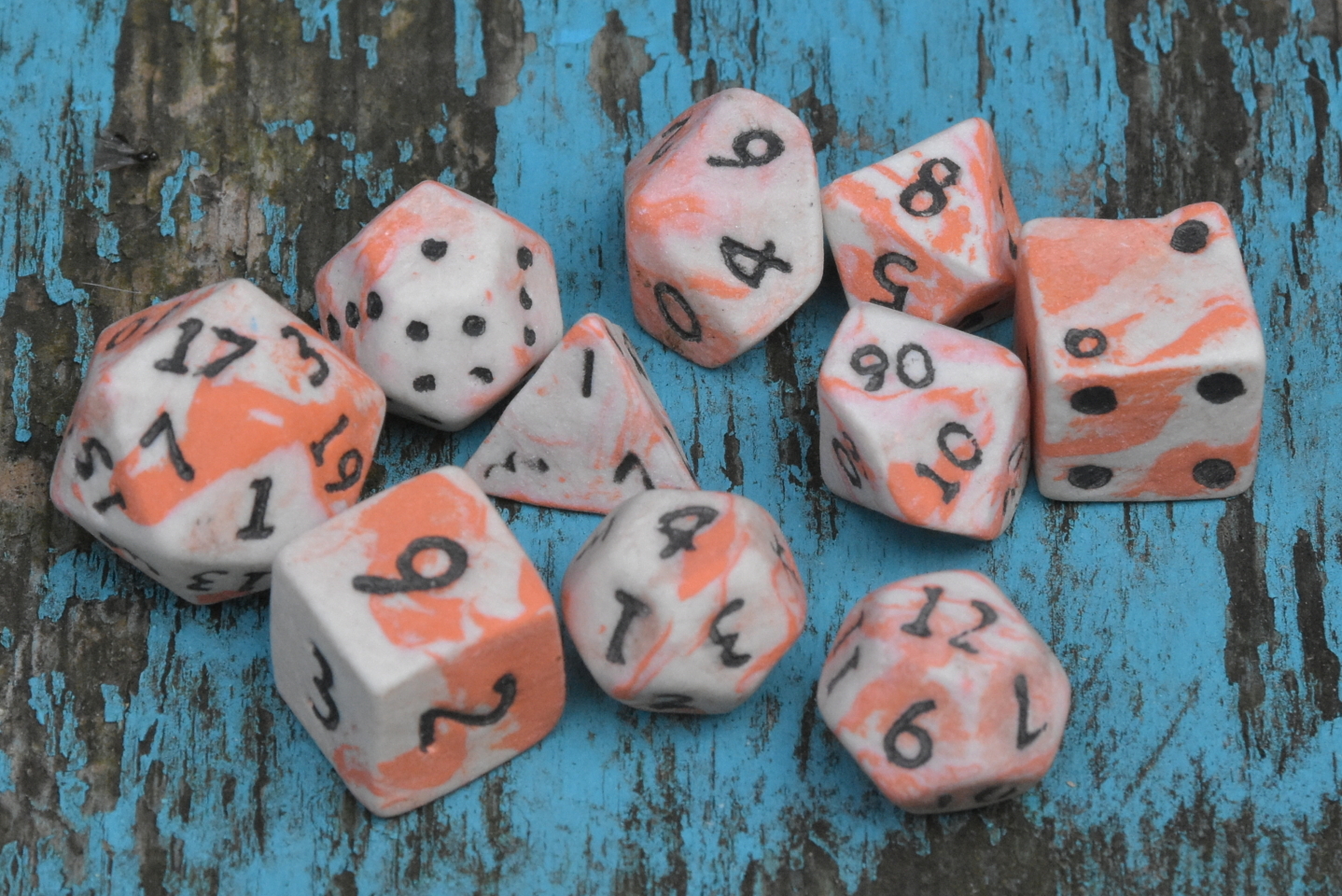
For dice, bards reach for sets with personality and color — expressive, a bit theatrical. The Violet Rose set has that vivid, performer’s flair, and the Dreamsicle set suits the bard who plays bright and warm. Dice with a sense of style, because so is the class.
Choosing Your Bard College
Your College choice fundamentally shapes how your Bard operates in combat and exploration. Each College emphasizes different aspects of the Bard’s versatile toolkit.
Support-Focused Colleges
College of Lore remains the quintessential support Bard, gaining Cutting Words to reduce enemy attack rolls and additional Magical Secrets at 6th level for early access to game-changing spells like Counterspell or Fireball. Lore Bards excel at battlefield control and utility but remain physically fragile.
College of Eloquence from Tasha’s offers unparalleled social encounters with Silvered Tongue (treating d20 rolls of 9 or lower as 10s for Deception and Persuasion) and Unsettling Words to reduce saving throws. This College creates the ultimate face character while maintaining strong combat support.
Combat-Oriented Colleges
College of Valor transforms Bards into capable warriors with medium armor, shields, martial weapons, and Extra Attack at 6th level. Combat Inspiration lets allies add your Bardic Inspiration die to weapon damage rolls, making this College ideal for smaller parties needing frontline presence.
College of Swords offers similar martial capabilities but trades armor proficiency for Fighting Style options and Blade Flourishes. These special attacks using Bardic Inspiration dice provide tactical versatility, though you’ll need to invest in Dexterity for survivability.
Specialized Colleges
College of Whispers focuses on infiltration and psychological warfare. Psychic Blades adds psychic damage to weapon attacks, while Words of Terror creates genuine fear effects. This College excels in intrigue campaigns but offers less direct party support.
College of Creation animates objects and creates temporary items through Note of Potential and Animating Performance. While creative and fun, it requires tactical thinking to maximize the animated creature’s effectiveness in combat.
Best Bard Builds
The Eloquence Face
Prioritize Charisma first, then Constitution and Dexterity. Take Expertise in Persuasion, Deception, and Investigation early. The Fey Touched feat provides Misty Step and a 1st-level enchantment spell, while Skill Expert adds another Expertise. Focus on enchantment and divination spells, using Magical Secrets for utility like Pass Without Trace or healing spells.
The Lore Controller
Maximize Charisma, then Constitution. At 6th level, use additional Magical Secrets to grab Counterspell and either Fireball or Spirit Guardians depending on party needs. Take Expertise in Arcana and Investigation alongside social skills. The War Caster feat helps maintain concentration on control spells like Hypnotic Pattern or Polymorph.
The Valor Gish
Balance Charisma and either Strength or Dexterity based on weapon preference. Medium Armor Master maximizes AC with half-plate, while Great Weapon Master or Sharpshooter boost damage output. Use Combat Inspiration to enhance allies’ damage while maintaining spellcasting effectiveness in later rounds.
The Whispers Infiltrator
Prioritize Charisma, then Dexterity for survivability. Take Expertise in Deception, Insight, and Stealth. The Actor feat synergizes perfectly with Mantle of Whispers for impersonation. Focus on enchantment spells and use Magical Secrets for spells that complement your manipulation theme.
Bard Tactics & Play Tips
Bardic Inspiration timing separates good Bards from great ones. Don’t waste inspiration dice on routine attack rolls—save them for crucial saves, important skill checks, or when allies are at death’s door. Your inspiration recharges on short rests, so use it liberally in the final encounter before resting.
For Lore Bards, Cutting Words as a reaction can turn enemy successes into failures. Prioritize using it against attack rolls targeting low-AC allies, enemy saving throws against your spells, or ability checks enemies make to resist your party’s actions. Remember that you can wait to see the enemy’s roll before deciding to use Cutting Words.
Concentration management becomes crucial at higher levels. Spells like Hypnotic Pattern, Slow, and Polymorph can control entire encounters, but losing concentration wastes your turn and a spell slot. Position yourself carefully, consider the Resilient (Constitution) feat, and don’t hesitate to use Shield or Counterspell through Magical Secrets to protect your concentration.
At 7th level, prioritize Counterspell as your first Magical Secrets choice regardless of College. The ability to shut down enemy spellcasters provides immense tactical value. Pair it with spells that complement your party’s weaknesses—healing for groups lacking clerics, or damage spells if you’re the primary caster.
Best Race Pairings for a Bard
Half-Elf remains the premier Bard race with +2 Charisma, +1 to two other abilities, two free skills, and Fey Ancestry. The additional skills stack beautifully with Jack of All Trades and Expertise, creating unparalleled skill versatility.
Variant Human provides a crucial early feat, often War Caster or Fey Touched, along with a free skill and +1 to two abilities. The early feat access accelerates your build progression significantly.
Tiefling offers +2 Charisma and bonus spells that don’t count against your spells known. Hellish Rebuke provides a reaction damage option, while fire resistance adds survivability. Zariel Tieflings gain Smite spells perfect for Valor or Swords Bards.
Fairy from recent publications provides flight, +1 Charisma, and innate spellcasting. Flight solves positioning problems for concentration spells, while the small size can create interesting tactical opportunities.
Frequently Asked Questions
What’s the best Bard College?
College of Lore offers the most versatility with early Magical Secrets and Cutting Words, making it excellent for new players. College of Eloquence dominates social encounters and provides reliable inspiration usage. The “best” College depends on your campaign’s focus and party composition.
Is Eloquence Bard overpowered?
Eloquence Bard is very strong but not overpowered. Silvered Tongue only affects two skills, and Unsettling Words uses your reaction and Bardic Inspiration. It excels in social situations but doesn’t break combat encounters more than other full casters.
How does Magical Secrets work?
Magical Secrets lets you choose spells from any class spell list, treating them as Bard spells. These spells count against your spells known limit and use Charisma for attacks and saves. You gain this feature at 10th, 14th, and 18th level, with Lore Bards getting additional choices at 6th level.
What’s the best race for a Bard?
Half-Elf provides the most synergy with +2 Charisma, extra skills, and flexible ability scores. Variant Human offers early feat access for faster build optimization. Choose based on whether you want immediate power (Variant Human) or long-term optimization (Half-Elf).
What are the key differences between Bard and Sorcerer?
Bards are utility-focused with skills, Bardic Inspiration, and Magical Secrets for spell versatility. Sorcerers focus on raw magical power with Metamagic to enhance spells and more spell slots through Flexible Casting. Bards support the party; Sorcerers blast enemies.
Is Bard good for new players?
Bards can be challenging for new players due to their versatility requiring decision-making about spells, inspiration timing, and action economy. However, College of Lore provides clear guidance, and the class teaches fundamental D&D concepts well. Start simple and grow into the complexity.
When should I give Bardic Inspiration?
Give Bardic Inspiration before crucial rolls rather than routine actions. Priority targets include death saving throws, important skill checks, saving throws against dangerous effects, and attack rolls against high-AC enemies. Avoid using it on the first attack of combat unless the situation is dire.
Featured Ceramic Dice
Handmade ceramic dice sets from Ceramic Dice, picked to suit this class at the table.