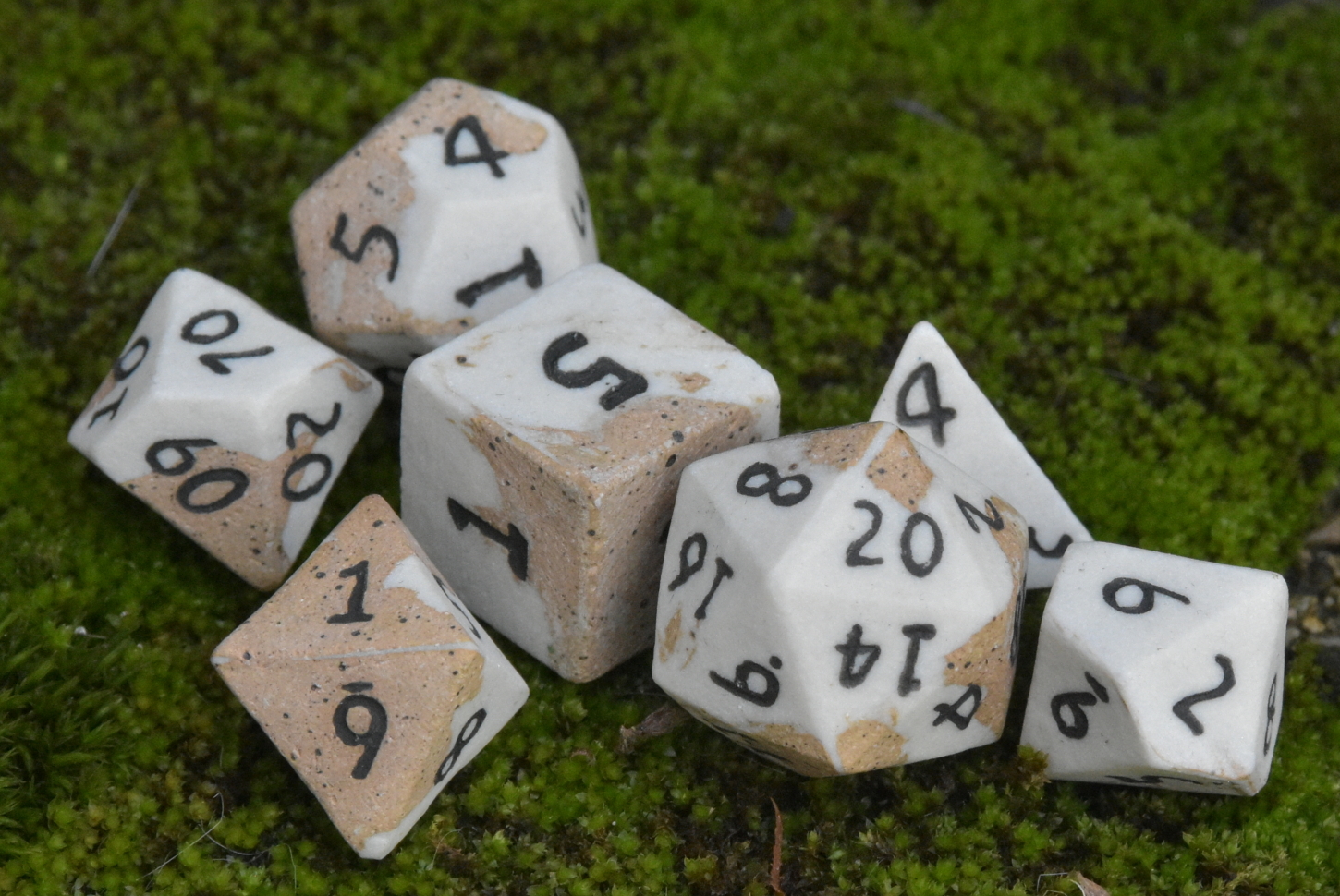
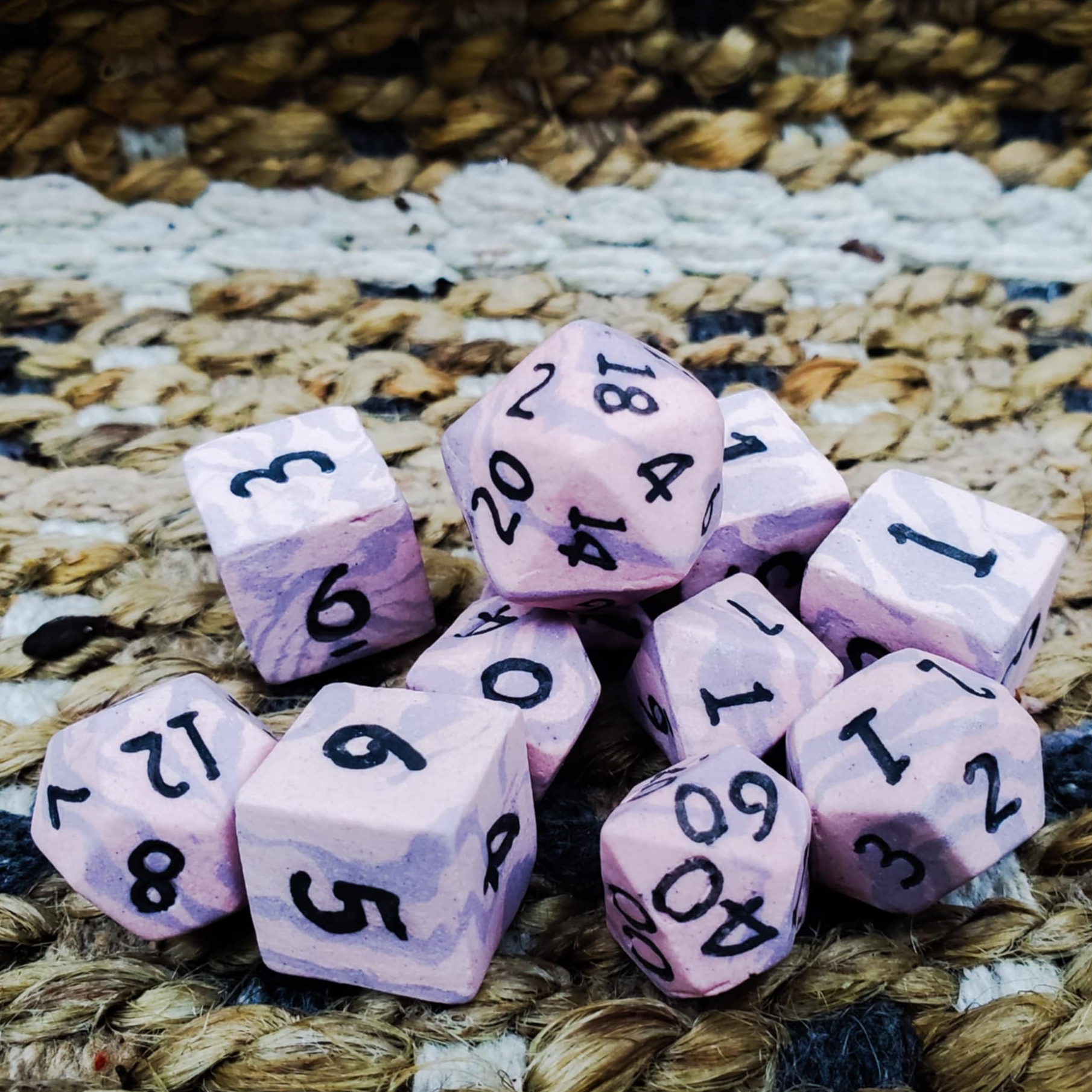
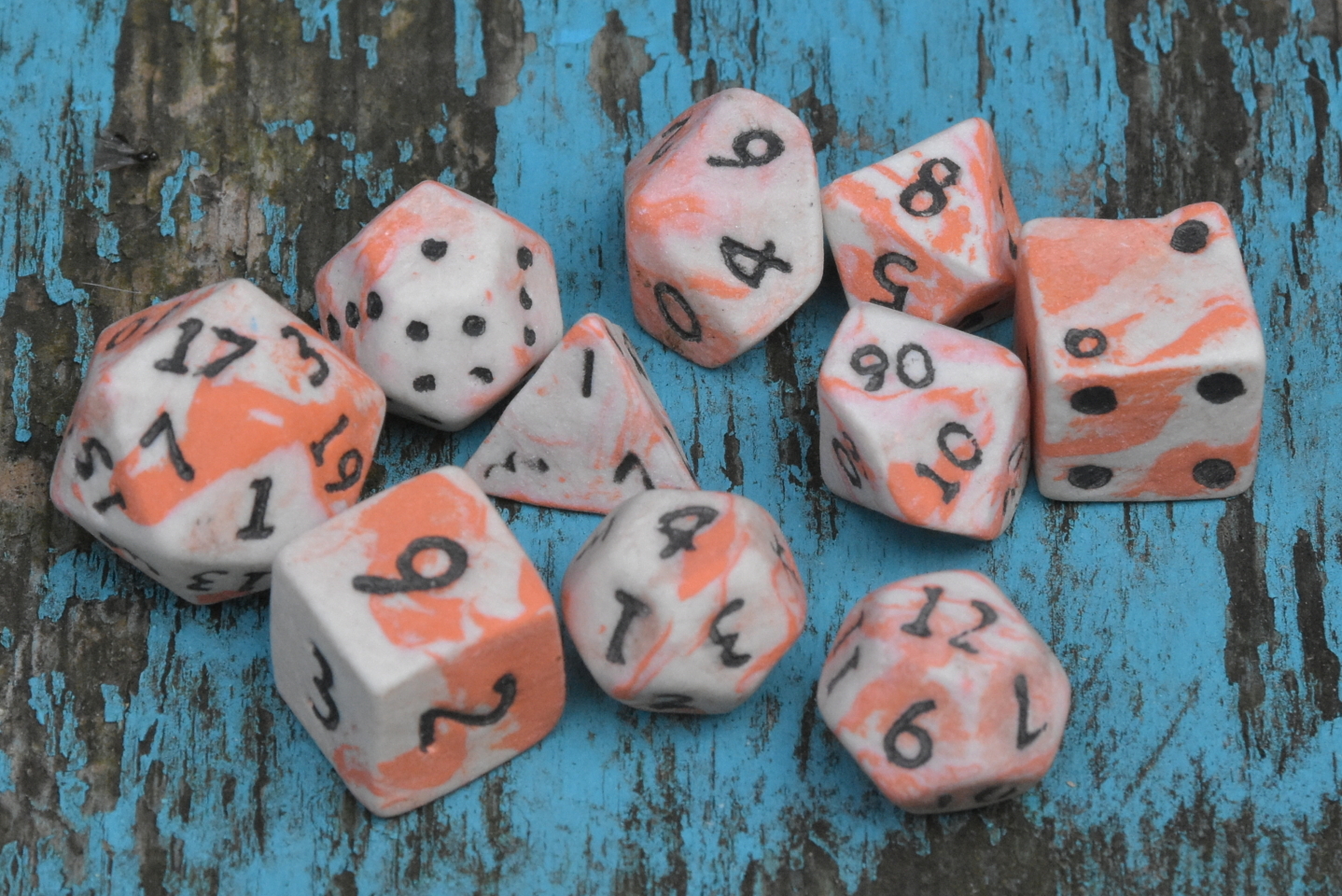
How to Care for Your Ceramic Dice
Ceramic dice require different care than their plastic or metal counterparts due to their unique material properties. While ceramic offers exceptional durability and a satisfying heft, it’s also brittle and can chip or crack if mishandled. This comprehensive guide covers everything from daily cleaning to long-term collection storage, helping you protect your investment and keep your dice rolling true for years to come.
How to Clean Ceramic Dice
Ceramic dice accumulate oils from handling, dust from storage, and occasional spills from game night mishaps. Unlike resin dice that can absorb liquids or metal dice that may tarnish, ceramic’s non-porous surface makes cleaning straightforward—if you know the right techniques.
Basic Cleaning Method
For regular maintenance after gaming sessions, a simple wipe-down suffices. Use a microfiber cloth slightly dampened with warm water. The microfiber’s fine fibers trap oils and debris without scratching the glaze. Avoid paper towels, which can leave lint in engraved numbers and may contain wood fibers that could theoretically scratch softer glazes.
For dice with deep engravings or intricate designs, a soft-bristled toothbrush helps dislodge debris. Choose a brush designated solely for dice cleaning—residual toothpaste can leave a film on ceramic surfaces. Gently work the bristles into number recesses using circular motions.
Deep Cleaning Process
When dice need more than surface cleaning, prepare a solution of warm water with a drop of dish soap. Dawn or similar grease-cutting formulas work well, but avoid anything with moisturizers or antibacterial additives that leave residue.
Submerge the dice for 2-3 minutes maximum. While ceramic won’t absorb water like some materials, prolonged soaking serves no benefit. Use the soft brush to clean each face, paying attention to corners where grime accumulates. Rinse thoroughly under running water—soap residue can make dice slippery during play.
What to Avoid
Several common cleaning methods can damage ceramic dice:
- Ultrasonic cleaners: The vibrations can propagate existing micro-cracks
- Harsh chemicals: Acetone, alcohol, and ammonia-based cleaners may damage certain glazes or painted details
- Abrasive cleaners: Baking soda, toothpaste, or commercial abrasives will dull the finish
- Dishwashers: The combination of heat cycling and detergent pods can crack dice
Drying and Polishing
After cleaning, dry dice immediately with a clean microfiber cloth. Air drying can leave water spots, particularly on darker glazes where minerals show prominently. For exhibition pieces or photography, a final polish with a dry microfiber cloth removes fingerprints and enhances shine.
Storage Best Practices
Proper storage prevents the most common ceramic dice damage: chips from dice colliding with each other. The hardness that makes ceramic dice feel substantial also means they can damage each other during storage or transport.
Individual Compartments
The gold standard for ceramic dice storage involves individual compartments for each die. Craft stores sell compartment boxes designed for beads or fishing tackle that work perfectly. Look for boxes with adjustable dividers to accommodate different die sizes, from d4s to d20s.
For premium sets, consider watch boxes or jewelry cases with individual velvet-lined slots. While more expensive than plastic organizers, they provide superior protection and display capability. The soft lining prevents micro-scratches that accumulate over time.
Dice Bags and Pouches
Traditional dice bags pose risks for ceramic dice. Multiple ceramic dice tumbling together in a bag will eventually chip, especially along edges and vertices. If you prefer pouches, use one die per small velvet or microfiber bag, then store these individual pouches in a larger bag.
Some makers, including Ceramic Dice Ceramics and various Etsy artisans, offer custom-fitted cases for their sets. These typically feature foam inserts cut to each die’s exact dimensions, though they often cost as much as a budget dice set from retailers like DAndD Dice.
Display Options
Many collectors display ceramic dice rather than storing them away. Shadow boxes with individual compartments work well, as do tiered acrylic display stands originally designed for collectibles. When displaying, consider these factors:
- UV exposure: Direct sunlight won’t fade ceramic glazes but can degrade any painted details
- Dust accumulation: Open displays require more frequent cleaning
- Stability: Ensure displays can’t tip if bumped—ceramic dice don’t bounce, they shatter
Climate Considerations
Unlike metal dice that may tarnish or wood dice that warp, ceramic remains stable across temperature and humidity ranges typical in homes. However, avoid storing ceramic dice in unheated spaces where extreme temperature swings occur. Rapid temperature changes can stress the material, potentially propagating invisible micro-cracks into visible damage.
Handling Chipped or Cracked Dice
Despite careful handling, ceramic dice sometimes chip or crack. Understanding damage types helps determine whether a die remains playable or needs retirement.
Types of Damage
Surface chips typically occur on edges or corners from drops onto hard surfaces. These appear as small divots where glaze and sometimes the underlying ceramic body have fractured away. Minor edge chips rarely affect rolling fairness unless they create a flat spot.
Vertex damage poses more serious concerns. The pointed corners of d4s and d8s concentrate impact forces, making them prone to vertex chips. Even small vertex damage can affect how these dice land and settle.
Hairline cracks may be nearly invisible but can propagate with continued use. Hold dice up to bright light at various angles to spot these. Cracks that run through number faces or along edges compromise structural integrity.
Impact fractures create spider-web patterns radiating from the impact point. These indicate deep structural damage and usually mean immediate retirement.
Assessing Playability
Not all damage renders dice unusable. Use this assessment process:
- Clean the die thoroughly to see damage clearly
- Run your finger over all surfaces feeling for sharp edges
- Test roll 20-30 times on your usual gaming surface, recording results
- Compare the distribution to expected probabilities
Small chips that don’t create sharp edges or affect balance may be cosmetic only. However, any damage that creates sharp edges poses safety risks to other dice, gaming surfaces, and potentially players.
Repair Attempts
Unlike resin dice that can sometimes be repaired with careful filling and sanding, ceramic dice resist most repair attempts. Epoxy or super glue fills might temporarily mask chips but will likely pop out due to material incompatibility. The color and texture differences between ceramic and any fill material remain visible.
Some collectors use clear nail polish to seal small chips, preventing further flaking. While this doesn’t restore appearance, it can extend the life of a lightly damaged die you’re attached to. Apply thin coats, allowing complete drying between applications.
Travel and Transport Tips
Transporting ceramic dice to game nights, conventions, or tournaments requires more planning than tossing plastic dice in a bag. The same properties that make ceramic dice feel premium—density and hardness—make them vulnerable during transport.
Carrying Cases
Hard-shell cases provide the best protection for ceramic dice during travel. Pistol cases, designed for handgun transport, offer customizable foam inserts, secure latches, and impact resistance. Pull out the foam to create custom cutouts for your dice. These cases look professional at gaming tables while providing maximum protection.
For less conspicuous options, aluminum briefcases with foam inserts work well. Office supply stores sell small aluminum cases marketed for business cards or electronics that perfectly fit 7-die RPG sets. The rigid exterior prevents crushing while foam cushions against impacts.
Padding Strategies
When using soft bags or pouches, proper padding becomes critical. Wrap each die individually in microfiber cloths, securing with rubber bands. This seems excessive until you hear ceramic dice clacking together during transport—a sound that makes any ceramic dice owner cringe.
Some players use pill organizers or weekly medication containers. The individual compartments keep dice separated, though these lack padding. Adding small felt pads or cotton balls to each compartment improves protection significantly.
Air Travel Considerations
Ceramic dice can raise questions at airport security due to their density on X-ray scanners. While not prohibited, unusual dice might prompt bag checks. Pack ceramic dice in carry-on luggage where you can explain what they are if questioned. The pressure changes and rough handling in checked baggage pose unnecessary risks to valuable sets.
Include a small note with your dice explaining what they are. Security personnel who don’t game might not immediately recognize ceramic polyhedrals, especially unusual designs from artisan makers on Etsy or specialty pieces from companies like Norse Foundry.
Convention and Event Tips
Gaming conventions present unique challenges: crowded tables, excited players, and spilled drinks. Bring only the ceramic sets you’ll actually use, leaving collection pieces safely at home. Use a dice tray both to contain rolls and provide a soft landing surface.
Consider marking your ceramic dice discreetly. Unlike plastic dice where initials can be written in permanent marker, ceramic requires different approaches. Small dots of nail polish on less-visible faces work, or photograph your exact set for identification if dice get mixed up during play.
When to Retire a Set
Knowing when to stop using ceramic dice prevents damage to gaming surfaces, other dice, and ensures fair play. Several clear indicators suggest retirement time.
Structural Integrity Concerns
Any crack running through a die’s body mandates immediate retirement. These cracks can suddenly complete their journey, turning one damaged die into multiple sharp fragments. Even if the die still rolls, the risk isn’t worth taking.
Multiple chips on a single die, even if individually minor, create cumulative problems. The weight distribution changes with each lost fragment, and stress concentrations around damage sites increase failure likelihood.
Fairness and Game Impact
Document any die that consistently rolls outside expected distributions. While ceramic manufacturing from reputable makers like Ceramic Dice Ceramics or Skullsplitter Dice typically ensures good balance, damage can create bias.
Test suspicious dice using the salt water float test: dissolve salt in water until a die barely floats, then spin it. A balanced die settles randomly; a biased die consistently shows the same numbers up. This works better for larger dice (d12, d20) than smaller ones.
Safety Considerations
Sharp edges from chips pose the clearest retirement indicator. These can scratch tables, damage other dice, and potentially cut fingers during pickup. No amount of sentimental attachment justifies keeping dangerous dice in active rotation.
Consider the surface you game on. Ceramic dice with rough damage can mar softer wood tables or tear gaming mats. If you notice marks after rolling, examine your ceramic dice for new damage.
Transitioning Retired Dice
Retired dice need not be discarded. Many collectors display damaged dice as conversation pieces, especially unique designs or dice with gaming history. Shadow boxes labeled with campaign names or memorable rolls preserve both dice and memories.
Some crafters incorporate retired ceramic dice into jewelry or art projects. The material’s hardness makes drilling difficult but not impossible with proper tools. Broken ceramic dice can be arranged in resin pour projects or mosaic artwork.
Building a Collection
Ceramic dice collecting differs from accumulating plastic sets. The higher price point and fragility demand intentional acquisition strategies and long-term planning.
Starting Your Collection
Begin with one high-quality set rather than multiple budget options. This lets you understand ceramic dice characteristics before expanding. Research makers thoroughly—while companies like Ceramic Dice Ceramics focus specifically on ceramic dice, others like Norse Foundry primarily work in metal with occasional ceramic offerings.
Consider your actual gaming needs versus display interests. Active players might prioritize durability and readability, while collectors might seek unusual glazes or limited editions. There’s no wrong approach, but clarity helps guide purchases.
Sourcing Considerations
Ceramic dice come from various sources, each with tradeoffs:
| Source Type | Advantages | Disadvantages | Typical Price Range |
|---|---|---|---|
| Established Companies | Consistent quality, customer service, returns | Limited designs, higher prices | $40-80 per set |
| Etsy Artisans | Unique designs, customization options | Variable quality, longer wait times | $30-150 per set |
| Gaming Conventions | See before buying, meet makers | Limited selection, no returns | $35-100 per set |
| Secondary Market | Discontinued designs, potential bargains | Condition uncertainty, no warranty | $20-200+ per set |
Documentation and Cataloging
Serious collectors benefit from documenting their ceramic dice. Photograph each set upon arrival, noting maker, purchase date, price, and any unique characteristics. This helps with insurance claims and proves ownership of rare pieces.
Create a simple spreadsheet tracking your collection. Include photos, maker information, purchase details, and condition notes. Update conditions if damage occurs. This documentation becomes invaluable as collections grow beyond easy mental cataloging.
Investment Perspectives
While some ceramic dice appreciate in value, especially limited editions or discontinued lines, collecting for investment remains risky. The market is smaller than for vintage plastic dice, and condition significantly affects value—one drop can turn a valuable set into craft supplies.
Focus instead on pieces you genuinely enjoy. The tactile pleasure of rolling ceramic dice and their aesthetic appeal provide immediate returns regardless of future market values.
Storage Scaling
Plan storage expansion from the start. That first compartment box fills quickly, and retroactively reorganizing dozens of sets wastes time and risks damage. Modular storage systems allow growth without complete reorganization.
Consider display rotation for large collections. Showing everything simultaneously often creates visual chaos and increases dust accumulation. Seasonal rotations or themed displays keep collections fresh while protecting stored pieces.
Community Connections
Connect with other ceramic dice collectors through social media groups and forums. These communities share information about new makers, care techniques, and occasionally organize group buys for custom sets. The smaller ceramic dice community tends toward helpful enthusiasm rather than competitiveness.
Frequently Asked Questions
Can ceramic dice break wooden tables or damage gaming mats?
Ceramic dice can potentially mark softer wood surfaces if dropped from height or if they have existing chips creating sharp edges. For regular rolling at table height, undamaged ceramic dice typically won’t harm sealed wood surfaces or quality gaming mats. Using a dice tray provides extra protection and is recommended for any hard dice material, including metal and stone options from companies like Norse Foundry.
How do ceramic dice compare to metal dice for durability?
Both materials offer different durability profiles. Metal dice resist chipping better than ceramic but can dent, tarnish, or develop patina over time. Ceramic dice maintain their finish indefinitely but are more prone to chipping from drops. For pure longevity with careful handling, ceramic edges out metal. For resistance to accidental damage, metal wins. This is why some manufacturers like Skullsplitter Dice work in both materials, offering choices based on player preferences.
What’s the best way to test if a ceramic die is still fair after minor damage?
Perform a chi-square test with at least 100 rolls, recording each result. Calculate expected versus actual frequencies for each face. Online dice fairness calculators can process your data. Additionally, the saltwater float test can reveal weight imbalances—dissolve salt in water until the die barely floats, then repeatedly spin it. A fair die shows random faces when it stops; a biased die favors certain orientations.
Are ceramic dice safe for children or new players who might drop them frequently?
Ceramic dice aren’t ideal for young children or players prone to dropping dice. The combination of weight, hardness, and fragility creates risks both to the dice and to toes if dropped. Younger players or those new to tabletop gaming might start with budget-friendly resin sets from retailers like DAndD Dice, moving to ceramic once they’ve developed careful handling habits.
How should I clean ceramic dice with metallic or specialized glazes?
Metallic glazes, iridescent finishes, and other specialized coatings may require gentler care than standard glazes. Stick to plain warm water and microfiber cloths, avoiding any soap unless absolutely necessary. Some reactive glazes can dull with repeated soap exposure. When buying dice with unusual finishes, ask the maker about specific care requirements—artisan sellers on Etsy often use experimental glazes that need special consideration.
Is it worth repairing valuable ceramic dice, or should damaged dice always be retired?
Repair attempts on ceramic dice rarely succeed long-term and may worsen damage. Unlike resin dice that can be patched and polished, ceramic’s material properties resist amateur repair. Very valuable or sentimental pieces might warrant professional ceramic restoration consultation, but the cost often exceeds replacement value. Most damaged ceramic dice are better retired to display purposes, preserving memories while ensuring safe, fair gaming with intact sets.
Featured Ceramic Dice
Handmade ceramic dice sets from Ceramic Dice, picked to suit this class at the table.