Rules edition: This guide describes the legacy 2014 Monk class (Ki) and named subclasses. The revised 2024 Monk uses Focus Points and changes class features and subclass timing; do not mix those progressions. See the 2014 Basic Rules: Classes, Xanathar’s Guide to Everything, and Tasha’s Cauldron of Everything. For the revised class text, consult the official 2024 Character Classes; this source is separate from the legacy examples below.
n
Monks attract the thoughtful players — the ones who read the whole subclass before committing, who care as much about the philosophy of the character as the flurry of attacks. There’s a discipline to monk players that shows up in how they play: patient, precise, waiting for the Stunning Strike that breaks the encounter open rather than spending ki on the first thing that moves. The class is famously demanding — multi-ability dependent, resource-tight — and the players who stick with it tend to enjoy that exactly. It rewards restraint.
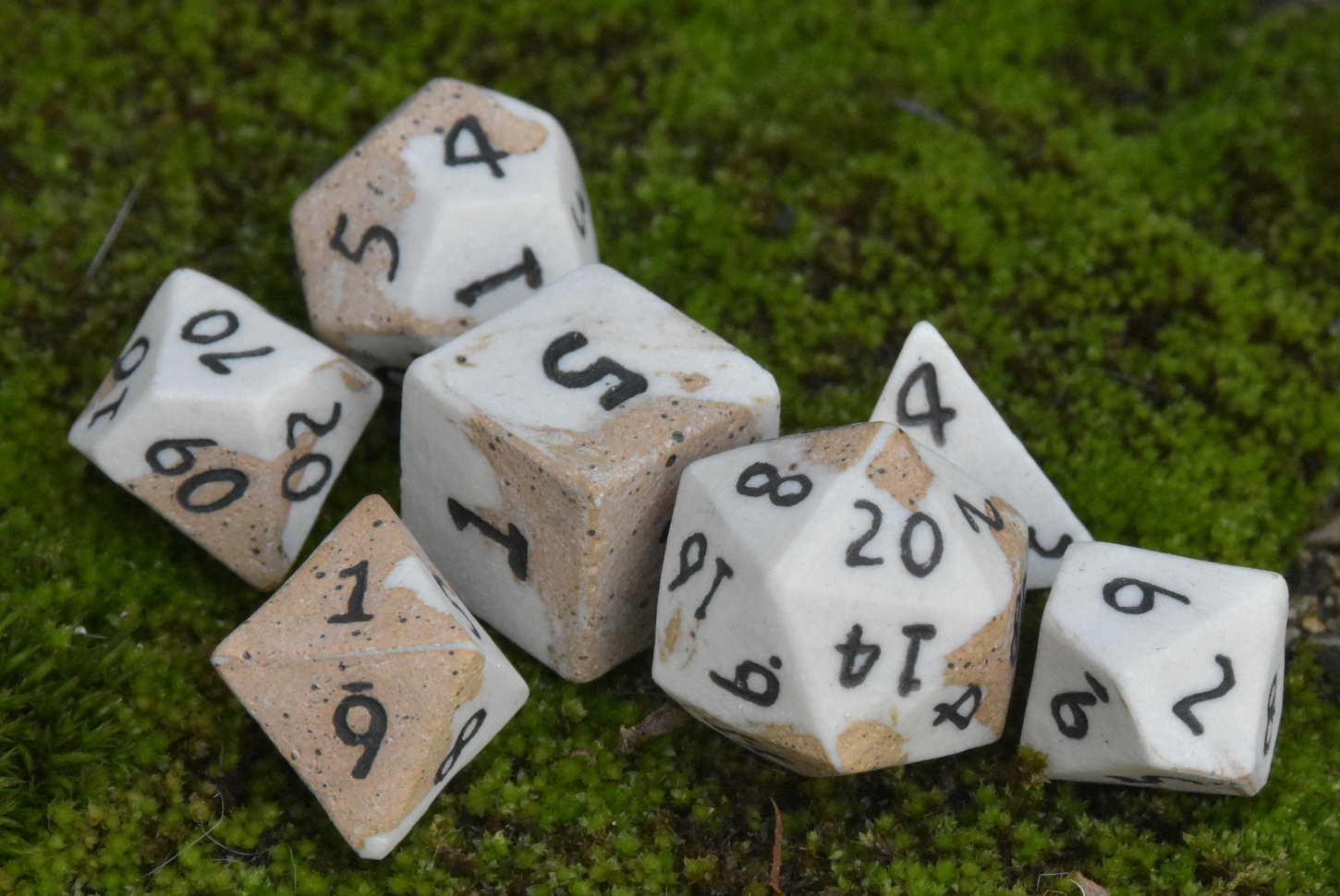
Monk players usually drift toward dice that feel calm and natural in the hand, nothing chaotic or loud. The Sandstorm set, with its weathered, meditative look, tends to be the one they pick up first, and the Mocha set gets chosen for that same quiet, grounded warmth. The dice match the discipline — steady, considered, no flash for its own sake.
Choosing Your Monastic Tradition
Monk subclasses dramatically alter your playstyle, from pure martial arts to magical utility. Subclass power is campaign- and table-dependent; compare the features at the levels your campaign is likely to reach.
Damage-Focused Traditions
Way of the Open Hand remains the gold standard for pure combat effectiveness. Your improved Flurry of Blows can knock enemies prone, push them away, or prevent reactions, while Wholeness of Body provides crucial healing. This tradition excels at single-target damage and battlefield control without complex resource management.
Way of the Kensei transforms you into a weapon master, extending Martial Arts to longswords and other versatile weapons. Kensei’s Shot and Deft Strike boost damage output, while Magic Kensei Weapons ensures your attacks remain relevant at higher levels. Best for players who prefer weapon combat over pure unarmed strikes.
Utility and Mobility Traditions
Way of Shadow turns you into a supernatural infiltrator with teleportation and stealth bonuses. Shadow Step provides incredible battlefield mobility, while shadow-based ki spells offer utility beyond combat. However, the tradition heavily depends on dim light or darkness to function optimally.
Way of the Astral Self Arms of the Astral Self can use Wisdom instead of Strength for their unarmed-attack rolls and can give those attacks 10-foot reach. This applies to the manifested arms, not all attacks. The subclass grants resistance to radiant, necrotic, and psychic damage only with its 17th-level Awakened Astral Self feature.
Specialized Traditions
Way of Mercy offers unique healing capabilities alongside decent damage potential. Hand of Harm and Hand of Healing make you a versatile party member, though ki point costs can strain your limited resources. Excellent for smaller parties lacking dedicated healing.
Way of the Drunken Master gains the Drunken Technique feature at 3rd level: after Flurry of Blows, you can Disengage and gain 10 feet of speed until the end of the turn; this is not a separate bonus-action Disengage. While thematically fun, the mechanical benefits often prove less impactful than other traditions’ direct damage or utility improvements.
Best Monk Builds
The Open Hand DPS
Focus on Dexterity first, then Wisdom for higher save DCs. Take Mobile feat early to enhance hit-and-run tactics, followed by Fey Touched for Misty Step. Prioritize Stunning Strike against single powerful enemies, using Flurry of Blows’ knockdown effect to create advantage for allies. This build peaks in mid-tier play when Stunning Strike becomes reliable.
The Shadow Infiltrator
Maximize Dexterity for stealth and damage, with Wisdom as secondary priority. Alert feat ensures you act first in combat, while Elven Accuracy is a Xanathar’s feat with an elf or half-elf prerequisite; if eligible, it improves an attack roll that already has advantage. Hiding does not automatically grant advantage in every situation. Focus on battlefield positioning, using Shadow Step to appear behind enemies or escape dangerous situations. Works best in campaigns with frequent stealth opportunities.
The Stunning Specialist
Emphasize Wisdom over Dexterity to maximize Stunning Strike save DCs. Sentinel can help control movement, but a stunned creature is already incapacitated and cannot move or take actions; while Magic Initiate can provide utility cantrips. Save ki points specifically for stunning high-priority targets like spellcasters. This build sacrifices some damage for exceptional battlefield control.
The Astral Warrior
When your Arms of the Astral Self are active, you can use Wisdom instead of Strength for their attack rolls; Dexterity still contributes to AC and initiative. Crusher feat enhances positioning with your extended reach, while Telekinetic provides bonus action battlefield manipulation. Use your 10-foot reach to stay safe while maintaining consistent damage output.
Monk Tactics & Play Tips
Effective Monk play revolves around ki point economy and target prioritization. Never spend ki freely in early encounters—save resources for challenging fights where Stunning Strike can neutralize key enemies.
Stunning Strike Priorities
Target spellcasters and flying enemies first, as they benefit most from being stunned. Creatures with legendary resistance require patience—burn through their resistances with multiple attempts rather than switching targets. Against groups, stunning one enemy while focusing damage on another maximizes action economy disruption.
Ki Point Budgeting
Reserve at least 2-3 ki points for defensive options like Patient Defense or Step of the Wind. In tier 2 play (levels 5-10), plan for 2-3 Stunning Strike attempts per encounter. Higher-level play allows more aggressive spending, but always maintain emergency reserves for escape options.
Positioning and Movement
Use your superior speed to engage backline enemies while avoiding opportunity attacks. Step of the Wind provides both Dash and Disengage, making it invaluable for hit-and-run tactics. Against ranged enemies, close distance quickly rather than absorbing projectile damage unnecessarily.
Patient Defense becomes crucial against multiple attackers or when low on hit points. The disadvantage on incoming attacks often proves more valuable than an extra attack, especially when ki points are limited.
Best Race Pairings for a Monk
Variant Human or Custom Lineage
Early feat access transforms Monk effectiveness dramatically. Mobile lets you avoid opportunity attacks from a creature you made a melee attack against for the rest of your turn, while Alert ensures first-round positioning advantages. The flexibility to choose your optimal feat immediately makes these races universally strong for any Monk build.
Wood Elf
Dexterity and Wisdom bonuses align perfectly with Monk needs, while Fey Ancestry protects against charm effects. Elven Accuracy comes from Xanathar’s, not Tasha’s, and requires an elf or half-elf. It applies when you make an attack roll with advantage; flanking is an optional rule and hiding does not always grant advantage.
Tortle
The legacy Tortle has a fixed AC formula of 17 when not wearing armor; using that version can reduce reliance on Dexterity for AC. Shell Defense gives +4 AC and advantage on Strength and Constitution saves, but sets your speed to 0 and gives disadvantage on Dexterity saves. Other Tortle versions may differ.
Harengon
Hare-Trigger adds your proficiency bonus to initiative. Rabbit Hop uses a bonus action and has a limited number of uses; Lucky Footwork adds a d4 to certain failed Dexterity saves, not damage reduction. Check the source version for the exact use limit.
Frequently Asked Questions
Is Monk good for new players?
Monk offers moderate complexity with clear decision points, making it suitable for newer players willing to learn resource management. The class rewards tactical thinking over complex mechanics, though ki point budgeting requires practice to master effectively.
What’s the best Monk subclass?
Way of the Open Hand provides the most reliable performance across all campaign types and levels. It enhances your core abilities without adding complexity, making it ideal for most players and situations.
Why is Monk MAD (Multi-Ability Dependent)?
Monks need Dexterity for attack rolls, damage, and AC, plus Wisdom for ki save DCs and Perception. Constitution remains important for survivability, creating competition for limited ability score increases compared to classes focusing on single primary abilities.
When does Monk get good?
Monks feel strongest at levels 5-11 when Stunning Strike becomes reliable but enemies lack legendary resistance. Early levels (1-4) can feel underwhelming due to limited ki points, while very high levels favor spellcasters over martial classes generally.
What’s the best Monk race?
Variant Human or Custom Lineage typically provide the most immediate impact through early feat access. Wood Elf offers the best long-term stat distribution, while The legacy Tortle’s fixed AC can reduce the Dexterity needed for AC, but it does not remove the Monk’s other ability-score demands.
Should I take the Mobile feat?
Mobile adds speed and can let you move away without provoking opportunity attacks from a creature you made a melee attack against that turn; it does not prevent opportunity attacks from every creature. It’s particularly valuable for Open Hand and Shadow monks who rely on hit-and-run tactics, though other feats may provide more direct combat benefits.
What are good Monk multiclass options?
Ranger (2-3 levels) provides Fighting Style and spells while maintaining Wisdom synergy. Rogue offers expertise and Sneak Attack damage for Dexterity-focused builds, though ki point progression delays hurt significantly at most tables.
Featured Ceramic Dice
Handmade ceramic dice sets from Ceramic Dice, picked to suit this class at the table.