D&D 5e Paladin Guide
Paladins are the players who take an oath and mean it. There’s a seriousness to the way most paladin players talk about their characters — not grim, exactly, but invested. They’re carrying something. The class asks you to hold a line, both the literal frontline and the moral one, and the people who gravitate toward it tend to be the ones who like having a code to play against. Half the fun of a paladin is the tension: what happens when the oath and the easy choice point in different directions. The mechanics back that up — Aura of Protection turns you into the reason the whole party’s saving throws suddenly look survivable, and Divine Smite gives you that one burst-damage moment that ends a fight when it counts.
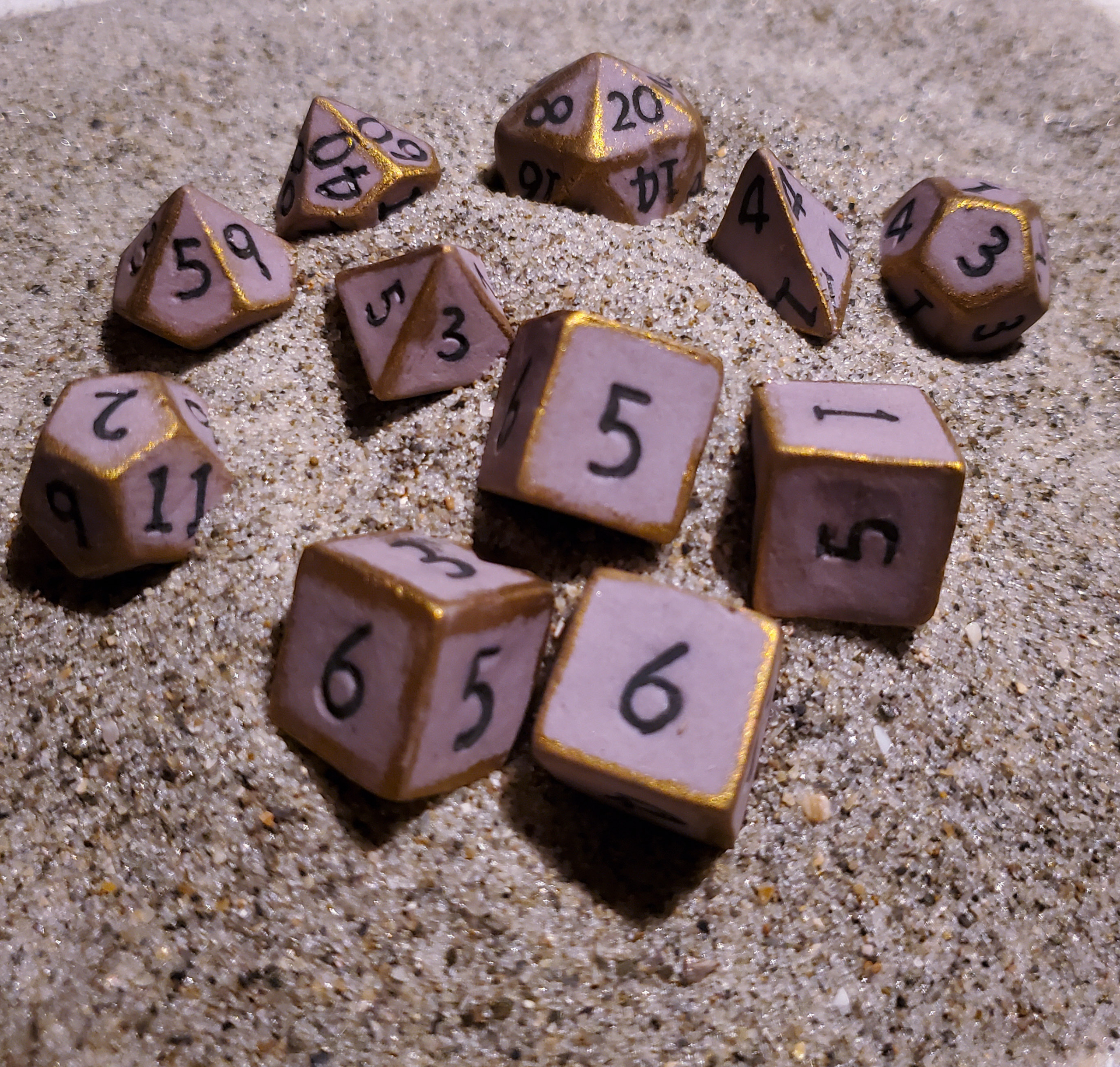
When it comes to dice, paladin players tend to want something that looks like it belongs to a knight — clean, a little regal, with weight behind it. The Gold Caged Regal Regent set has exactly that bearing, the kind of set that looks deliberate sitting next to a character sheet. The Dawnblade set leans into the holy-warrior side, bright and edged, for the paladin who plays their oath like a sunrise. Either way, a paladin’s dice should feel like they could swear an oath of their own.
Choosing Your Sacred Oath
Your Sacred Oath defines both your paladin’s mechanical abilities and roleplaying identity. Each oath offers unique Channel Divinity options, oath spells, and capstone features that dramatically alter your playstyle.
For Classic Holy Warriors: Oath of Devotion delivers the archetypal paladin experience with Sacred Weapon for consistent damage, Turn the Unholy for crowd control, and immunity to charm effects. This oath excels against undead and fiends while maintaining the traditional lawful good aesthetic.
For Nature Lovers: Oath of the Ancients transforms you into a fey-touched guardian with Ensnaring Strike and Misty Step as oath spells. Nature’s Wrath restrains enemies while Turn the Faithless affects fey, fiends, and undead. The 7th-level spell resistance aura makes this oath incredibly durable.
For Single-Target Hunters: Oath of Vengeance focuses on eliminating priority targets through Vow of Enmity, granting advantage on attacks against your chosen foe. Hunter’s Mark and Haste as oath spells support sustained damage, while Relentless Avenger keeps you mobile in combat.
For Control Specialists: Oath of Conquest weaponizes fear through Conquering Presence and Guided Strike. Spiritual Weapon and Hold Person provide excellent spell options, while the 7th-level aura reduces feared enemies’ speed to zero, creating lockdown potential.
For Support-Focused Players: Oath of Redemption emphasizes protection and healing with Sanctuary and Sleep as early oath spells. Emissary of Peace adds Charisma to Persuasion checks, while Rebuke the Violent punishes attackers and Protective Spirit provides constant healing.
Best Paladin Builds
The Tank: Prioritize Constitution and Charisma for maximum survivability and aura effectiveness. Start with 15 Strength, 14 Constitution, 15 Charisma, using heavy armor to offset lower Dexterity. Take Defense fighting style and focus on shield-based combat. Key feats include Sentinel for battlefield control and Resilient (Constitution) for concentration saves. Your job is positioning your Aura of Protection optimally while absorbing damage.
The Smite Nuker: Max Strength first, then Charisma for spell slots. Start 15 Strength, 13 Constitution, 14 Charisma, prioritizing two-handed weapons with Great Weapon Fighting style. Great Weapon Master becomes essential for bonus action attacks and damage. Polearm Master pairs excellently for reaction attacks. Save spell slots exclusively for Divine Smite to maximize burst damage on critical hits.
The Support: Balance Strength, Constitution, and Charisma evenly for versatility. This build uses Lay on Hands frequently, maintains concentration on buff spells like Bless, and provides consistent Aura of Protection benefits. Protection fighting style works well with shield usage. Consider Inspiring Leader feat to provide temporary hit points during short rests.
The Versatile/Sword & Board: The most balanced approach, maintaining decent offense while maximizing survivability. Start 15 Strength, 13 Constitution, 14 Charisma, using Dueling fighting style for consistent damage. This build adapts to party needs, switching between offense and defense as required. Shield Master provides bonus action utility and Dexterity save improvements.
Paladin Tactics & Play Tips
Divine Smite versus spell slot management represents the paladin’s core tactical decision. Save spell slots for guaranteed hits rather than risky attacks—smiting on critical hits doubles all smite dice, maximizing damage output. Reserve 1st-level slots for utility spells like Shield of Faith or Bless during longer encounters.
Aura of Protection positioning determines your tactical impact. This 10-foot aura adds your Charisma modifier to all saving throws for you and nearby allies. Stay central to your party formation, especially against spellcasters. At 18th level, the aura expands to 30 feet, allowing more flexible positioning.
Bonus action management requires careful planning. Sacred Weapon, smite spells, and Lay on Hands all compete for your bonus action. Establish your combat routine early: activate Sacred Weapon before combat when possible, use smite spells for guaranteed damage over multiple turns, and reserve Lay on Hands for emergency healing or removing diseases.
Concentration spell selection dramatically impacts your effectiveness. Bless affects three party members’ attack rolls and saves, while Shield of Faith provides consistent AC bonuses. Higher-level concentration options like Haste require careful positioning to avoid losing the spell to damage.
Channel Divinity recharges on short rests, making it your most renewable resource after Lay on Hands. Use these abilities liberally in encounters where they provide maximum benefit—Turn Undead against hordes, Vow of Enmity against tough single targets, or Nature’s Wrath for battlefield control.
Best Race Pairings for a Paladin
Dragonborn: Breath weapon provides area damage while Charisma bonus supports spellcasting and social encounters. Draconic ancestry offers thematic alignment with your oath’s moral framework. The breath weapon serves as an excellent opener before closing to melee range.
Half-Elf: Extra skill proficiencies and Charisma bonus create incredibly versatile paladins. Fey Ancestry provides charm and sleep resistance, while the extra skill proficiencies make you an excellent party face. The ability score flexibility allows optimization of both Strength and Charisma.
Variant Human: The free feat at 1st level accelerates your build significantly. Great Weapon Master, Polearm Master, or Sentinel all provide immediate tactical advantages. The extra skill and flexible ability scores ensure you meet your build requirements efficiently.
Aasimar: Divine heritage aligns perfectly with paladin themes while providing practical benefits. Healing Hands stacks with Lay on Hands for massive healing potential, light resistance reduces incoming damage, and the transformation abilities provide significant combat boosts. Protector Aasimar particularly synergizes with support-focused builds.
Frequently Asked Questions
Is Paladin good for new players?
Yes, paladins offer an excellent introduction to D&D’s tactical depth without overwhelming complexity. The class provides straightforward combat effectiveness through high armor class and reliable damage, while spell preparation and resource management teach important strategic concepts gradually.
Best Paladin race?
Half-Elf offers the most versatility with Charisma bonuses and extra skills, making them excellent for both combat and social encounters. Dragonborn provides thematic consistency and area damage capabilities, while Variant Human’s free feat accelerates any build significantly.
When to use Divine Smite vs save slots?
Use Divine Smite on confirmed hits, especially critical hits where all dice double. Save spell slots for utility when facing multiple weak enemies, but prioritize smiting against tough single targets. Reserve at least one spell slot per encounter for emergency healing or defensive magic.
Must Paladins be Lawful Good?
No, 5th Edition removed alignment restrictions for paladins. Your Sacred Oath defines your moral framework, not your alignment. Vengeance paladins might be chaotic, while Conquest paladins could lean evil, as long as they uphold their specific oath tenets.
Can Paladins break their Oath?
Yes, violating your oath’s tenets can result in losing paladin abilities until you seek atonement. Some DMs may offer the Oathbreaker option from the Dungeon Master’s Guide, which provides different abilities focused on negative energy and undead control.
Best subclass for beginners?
Oath of Devotion provides the most straightforward paladin experience with clear moral guidelines and versatile abilities. Sacred Weapon offers consistent damage improvement, while Turn the Unholy provides reliable crowd control against common enemy types.
How does Aura of Protection actually work?
Starting at 6th level, you and all allies within 10 feet add your Charisma modifier to all saving throws. This includes death saving throws and applies to any saving throw, making it one of the most powerful defensive abilities in the game.
Featured Ceramic Dice
Handmade ceramic dice sets from Ceramic Dice, picked to suit this class at the table.