D&D Sorcerer Guide: Builds, Origins & Metamagic
Sorcerers shape innate magic through their choice of spells and Metamagic. This guide explains 2014 Sorcerer examples and points to build guides that identify their own rules versions. Check the edition and source label on a build before using its species, subclass, feat, or spell options at your table.
Rules scope: The mechanics advice and examples below use the 2014 Sorcerer rules unless a section names another version. Species, subclasses, and feats are drawn from their named legacy sources; revised 2024 rules are not mixed into those examples.
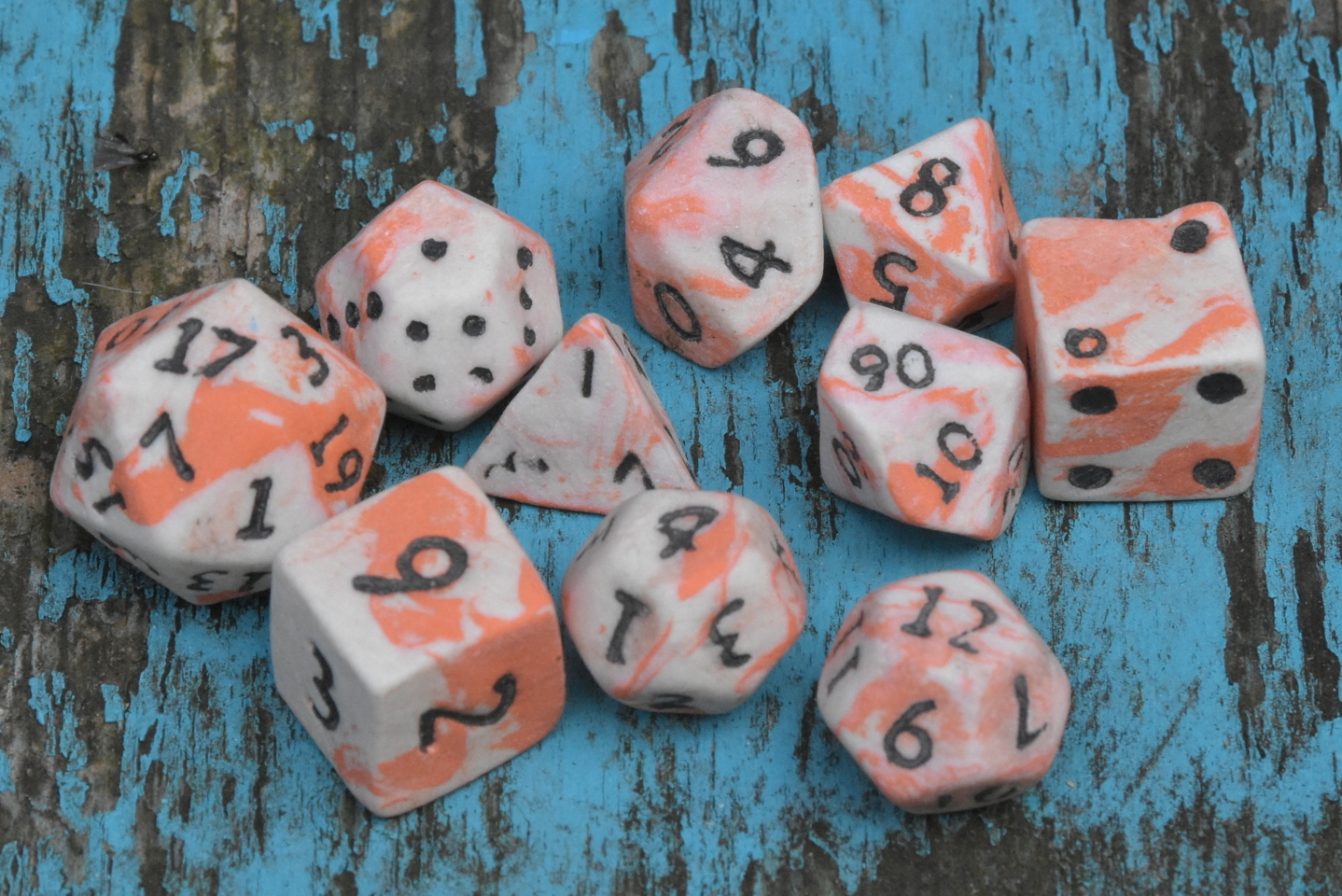
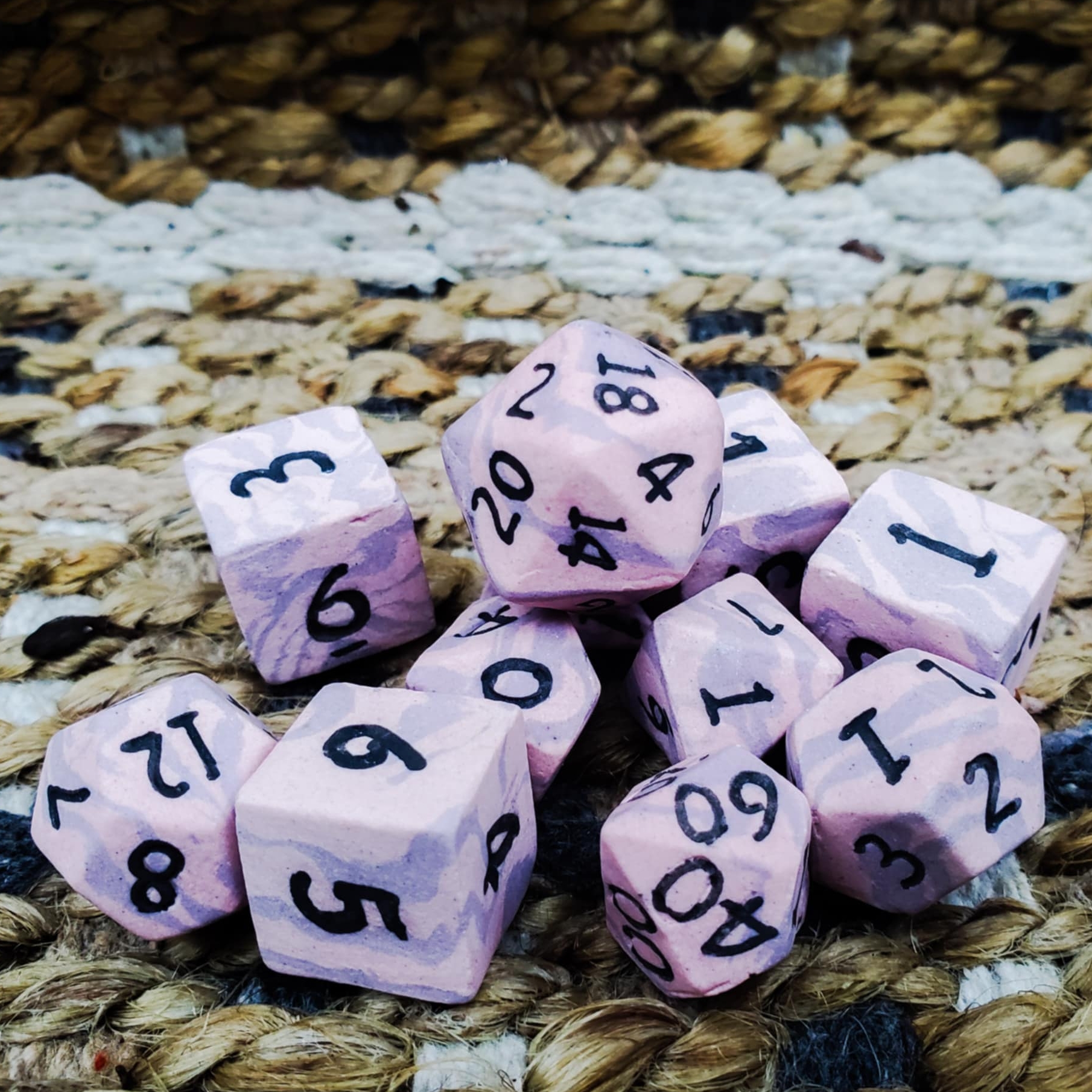
For dice, sorcerer players reach for sets with movement and color in them — something that looks like raw magic caught mid-swirl rather than something quiet and reserved. The Dreamsicle set tends to catch their eye for exactly that reason, and the Fireball set is almost too on-the-nose for a sorcerer who lives for that one spell. A good sorcerer set should look like it might go off.
Choosing Your Sorcerous Origin
Your Sorcerous Origin defines both your magical source and tactical approach. Each origin offers unique abilities that complement different playstyles, from raw damage dealing to versatile support casting.
For new players: Draconic Bloodline has a straightforward defensive feature at level 1 and a later damage feature. Divine Soul expands the Sorcerer’s spell choices, but it does not grant the whole Cleric list as spells known.
For damage or mobility: Draconic Bloodline can add Charisma to one damage roll of a matching spell at Sorcerer 6. Storm Sorcery has movement features with specific triggers and level requirements. Aberrant Mind, from Tasha’s Cauldron of Everything, adds its own psionic spells and features; compare the printed text before building around a tactic.
For control and defense: Clockwork Soul and Shadow Magic offer different tools. Spell access, concentration, action costs, and subclass level all matter; a darkness spell can also obstruct allies who cannot see through it.
For unpredictable magic: Wild Magic’s surge is not triggered automatically by every leveled spell. Follow the subclass feature and the DM’s role in calling for a surge; choose it for the table experience, not a guaranteed combat result.
Best Sorcerer Builds
Two-Target Single-Target Build
This build uses Twinned Spell only on a spell that meets the 2014 option’s targeting limits: the spell must target one creature, have a range other than Self, and be incapable of targeting more than one creature at its current level. Fireball targets an area, so it cannot be Twinned. Prioritize Charisma and Constitution, then choose spells and feats that fit the campaign; Elemental Adept ignores resistance to its chosen damage type, not immunity.
Subtle Caster
Subtle Spell removes verbal and somatic components. A spell’s material component still applies, and the option does not by itself make every casting imperceptible or impossible to counter. Choose social spells with their full components and effects in mind; Suggestion and Charm Person can change how an NPC reacts, but neither erases evidence or guarantees a particular outcome.
Quickened Bladelock
A Warlock/Sorcerer multiclass can combine Pact Magic with Sorcerer features, but it delays Sorcerer spells and subclass progression. Hexblade is a legacy option from Xanathar’s Guide to Everything. Quickened Spell changes a one-action spell’s casting time to a bonus action; under the 2014 rule, after casting a bonus-action spell, the only other spell that turn can be a one-action cantrip. A weapon attack is not a spell, but bonus actions and resources still compete.
Storm Mobility Caster
Storm Sorcery’s Tempestuous Magic can grant brief flight after you cast a spell of 1st level or higher, subject to its feature text. It is not unrestricted flight. Use cover, track concentration, and coordinate area spells such as web or hypnotic pattern with allies. A feat or spell should complement the character rather than replace the subclass’s actual movement limits.
Sorcerer Tactics & Play Tips
Sorcery Point management: Flexible Casting converts a spell slot into Sorcery Points equal to the slot’s level, or spends points to create a slot using the feature’s cost table. The created slot cannot exceed your permitted maximum and disappears when you finish a long rest. Choose whether the immediate spell or Metamagic use is worth the resource trade.
Metamagic: Twinned Spell has strict targeting limits and cannot double an area spell. Quickened Spell turns a one-action spell into a bonus-action spell, which invokes the 2014 bonus-action spell restriction. Heightened Spell imposes disadvantage on one target’s first saving throw against the spell; it does not ensure the spell succeeds.
Spell selection: Sorcerers know a limited number of spells under the 2014 class. Choose a mix that serves the party, and check each spell’s level, action, range, components, and concentration requirement. You can concentrate on only one spell at a time. Upcasting improves a spell only as its description says.
Concentration: When damage forces a Constitution saving throw to maintain concentration, War Caster grants advantage on that save. It does not protect concentration from every interruption or replace positioning and Constitution. Counterspell can interrupt a qualifying spell when its reaction, range, visibility, and other requirements are met.
Subtle Spell: Removing verbal and somatic components can help when those components are the obstacle, but material components remain. Check the spell and circumstances before assuming a casting is unnoticed or can be performed while restrained or inside an area that prevents its remaining components.
Best Race Pairings for a Sorcerer
Legacy Variant Human: The 2014 option grants a feat and skill, which can support a Sorcerer concept. It is a legacy species option; use the campaign’s chosen rules rather than combining its benefits with revised 2024 species rules.
Legacy Half-Elf: The 2014 version grants +2 Charisma, +1 to two other ability scores, two skill proficiencies, and Fey Ancestry. Revised species rules differ, so label the version used in a build.
Dragonborn: Ability increases, breath weapon, and resistance depend on the Dragonborn version. The legacy PHB Dragonborn has fixed increases; revised versions use different rules. Draconic Bloodline does not make a matching resistance stack, and its Elemental Affinity resistance has a cost and duration.
Tiefling: Legacy PHB, later legacy bloodlines, and revised 2024 Tieflings have different traits and spells. Do not combine one version’s ability increases with another version’s spell suite. Check a build’s source label and the exact level and rest limits for its innate spells.
Frequently Asked Questions
Sorcerer vs Wizard which is better?
They support different playstyles. Sorcerers have Metamagic and a limited number of spells known under 2014 rules; Wizards learn and prepare from a spellbook. Compare the campaign and preferred playstyle rather than treating either class as universally stronger.
Best Sorcerous Origin?
It depends on the character and campaign. Compare subclass features at the levels your table is likely to reach, and verify which sourcebooks are allowed.
Best Metamagic options?
Choose options that fit your spells. Twinned Spell has narrow target limits; Quickened Spell uses a bonus action and the 2014 bonus-action spell rule; Subtle Spell removes verbal and somatic components only.
Best Sorcerer race?
Several choices can work. Compare the exact edition and source version, ability score rules, traits, and campaign options instead of assuming one species is best.
Is Sorcerer good for new players?
It can be approachable if the player is comfortable choosing a limited spell list and tracking Sorcery Points. Start with a small set of spells and learn their actions, components, and concentration rules.
How does Sorcery Point conversion work?
Under 2014 Flexible Casting, you can spend a spell slot to gain Sorcery Points equal to its level, or spend Sorcery Points to create a spell slot according to the feature’s cost table. A created slot disappears when you finish a long rest.
Sorlock multiclass worth it?
It trades Sorcerer level progression for Warlock features and Pact Magic slots. Check multiclass prerequisites, spell progression, bonus-action competition, and the 2014 rule for casting a spell as a bonus action before committing.
Official Rules Sources
- D&D Beyond Basic Rules (2014): Sorcerer class and Metamagic
- D&D Beyond Basic Rules (2014): spellcasting and bonus-action spells
- D&D Beyond: Xanathar’s Guide to Everything
- D&D Beyond: Tasha’s Cauldron of Everything
Featured Ceramic Dice
Handmade ceramic dice sets from Ceramic Dice, picked to suit this class at the table.

.hub-featured-products{background:#faf7f0;border:1px solid #d4c8a8;border-radius:6px;padding:1.5em 2em;margin:2.5em 0;}
.hub-featured-products h2{border:none!important;margin-top:0!important;color:#5c3a1f;font-size:1.5em;}
.hub-product-grid{display:grid;grid-template-columns:repeat(auto-fit,minmax(220px,1fr));gap:1.5em;}
.hub-product-card{background:#fff;border:1px solid #e3d7b8;border-radius:4px;overflow:hidden;}
.hub-product-image{display:block;padding:1em;background:#fafafa;}
.hub-product-image img{width:100%;height:auto;display:block;}
.hub-product-info{padding:0 1.2em 1.2em;}
.hub-product-info h4{font-size:1.05em;margin:.5em 0 .3em;}
.hub-product-info h4 a{color:#5c3a1f;text-decoration:none;}
.hub-product-price{color:#8B4513;font-weight:700;font-size:1.15em;margin:.3em 0;}
.hub-product-cart{display:inline-block;background:#8B4513;color:#fff!important;padding:.6em 1.2em;border-radius:4px;text-decoration:none!important;font-weight:600;font-size:.9em;}