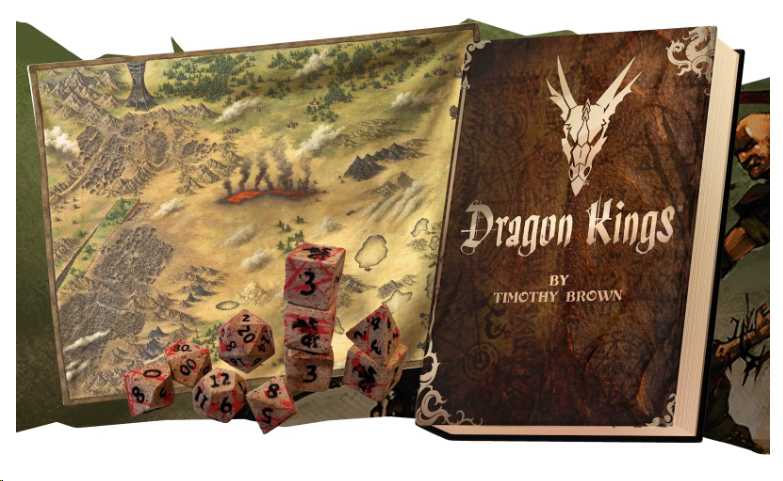
A useful game-night kit is the one that makes rolls easy to read, keeps the table organized, and fits the way your group plays. You can start with a standard set of dice and add accessories only when they solve a real problem. Physical gear adds convenience and atmosphere; the game’s rules determine what a roll means.
Start with a standard dice set
A typical polyhedral set has a d4, d6, d8, d10, d12, d20, and a second d10 marked in tens for percentile rolls. Check that the numbers are easy to read at a glance, especially the 6 and 9, and that the dice are comfortable to handle. Many players add a few extra d6s or d8s when their characters or monsters often roll several of the same die at once. Start with the rolls your group makes regularly, then add more if you find yourself borrowing dice.
Choose dice you can read and use comfortably
Color and material are personal choices, but legibility matters during a busy session. Look for clear contrast between the numbers and the die face. Consider size and weight if you roll for long sessions or carry your set in a small bag. If you play in person, agree where dice should be rolled so everyone can see the result and the dice stay on the table.
Dice materials feel different, but they do not change a character’s abilities or the rules for resolving a roll. Our comparison of ceramic and other dice materials explains practical differences in feel and care.
Gear that solves a specific need
- A dice tray keeps rolls contained and can protect a table from hard or heavy dice. Choose a size that fits your dice and playing space.
- A pouch or case keeps a set together between sessions. Separate compartments help prevent pieces from rubbing against each other.
- Tokens or condition markers can help a group track effects, turns, or shared resources. Use them only when they make the table easier to follow.
- A DM screen, map, or miniatures can support a group’s preferred style of play, but none is required to run a game.
Compare materials before choosing
Plastic sets are widely available and light to carry. Metal dice feel heavier and may need a padded tray to protect the rolling surface. Resin, wood, stone, and ceramic offer different finishes and weights; compare the maker’s size, care, and handling guidance before choosing. A striking appearance is useful only if the result remains readable at your table.
Ceramic dice are made from a hard material, but they can chip or break if dropped or stored loose with heavier items. Keep them in a padded case, avoid rolling them on hard or uneven surfaces, and follow the maker’s cleaning instructions. For more detailed guidance, see our ceramic dice care guide.
Build your kit around your table
For a player, a comfortable set, a small storage pouch, and any dice needed for frequent rolls may be enough. A Dungeon Master may prefer extra dice for several creatures, a tray that is easy to reach, and a few markers for shared information. A group that plays online may need none of these physical accessories. Choose for the way you actually play rather than assuming every table needs the same equipment.
Before buying, consider how many people share dice, how much space you have, and whether you travel to game night. A simple starting kit is one readable polyhedral set, a place to store it, and a tray if the table or dice need protection. Add accessories after you notice a recurring need. That approach keeps your setup practical and leaves room for the parts of the hobby your group enjoys most.
For more help choosing a set, read How to Choose Quality Ceramic Dice or browse our ceramic dice basics.